31
Mar 2026
Members of the European Parliament have endorsed a strategy aimed at transforming tourism across the EU. The initiative seeks to alleviate congestion in popular tourist spots and promote a more even distribution of visitors throughout the continent.
The Transport and Tourism (TRAN) committee gave its approval to the proposal on March 18, 2026, with 33 votes in favor, four against, and four abstentions.
This resolution, which still awaits final approval from the full Parliament, advocates for enhanced transportation networks, stricter regulation of short-term rental accommodations, and innovative methods to guide tourists toward less frequented areas.
Redistributing visitor flows
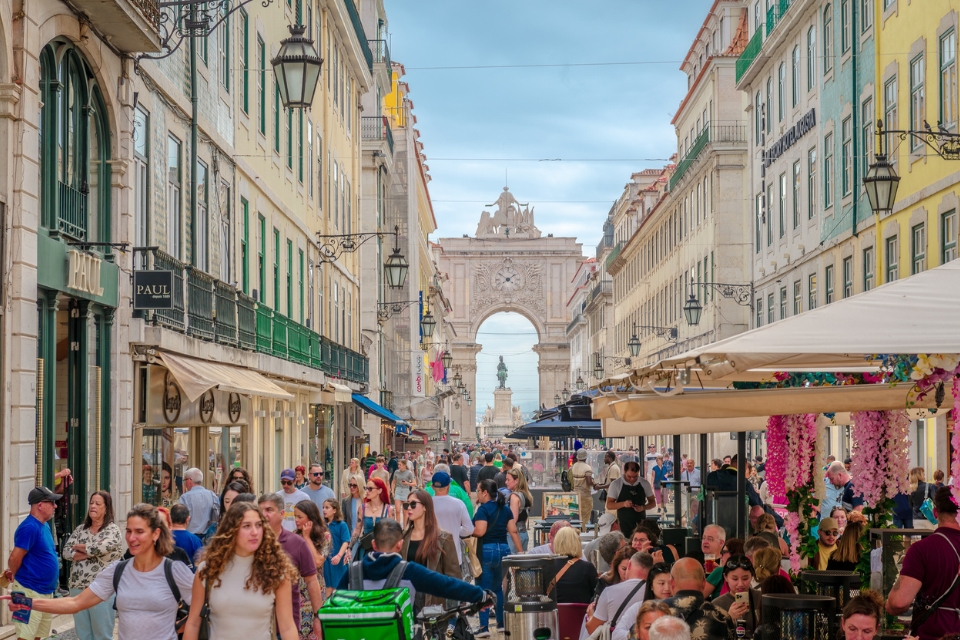
MEPs highlighted overtourism as a significant concern for the industry, noting that a vast majority (80%) of travelers concentrate on merely 10% of global destinations, leading to immense strain on these limited locations.
To tackle this, legislators propose that tourism policies should steer travelers towards less-explored regions. This includes rural areas, mountainous landscapes, and remote spots that are currently underutilized but possess the capacity to welcome more visitors.
The committee suggested that promoting specialized tourism could help balance demand. Specific areas like culinary experiences, wine and beer routes, cultural heritage tours, cycling, and regenerative tourism were identified as effective ways to attract visitors and extend the tourism season beyond peak months.
Officials anticipate that these measures will also stimulate economic growth in regions traditionally overlooked by mass tourism.
Prioritizing improved transport infrastructure
A core component of the plan involves upgrading transportation. Lawmakers urged the European Commission to incorporate provisions for strengthening air, sea, and land connections to emerging tourist areas within its forthcoming sustainable tourism strategy.
They also called for practical enhancements to facilitate smoother and more environmentally friendly travel. This includes backing for electric vehicle leasing and charging infrastructure, as well as expanding cross-border overnight train services.
Another recommendation involves expediting the implementation of an integrated ticketing system, enabling travelers to book rail, air, and maritime transport options together in a single transaction.
Lawmakers argued that better connectivity would simplify exploration of new destinations for travelers and lessen dependence on already congested popular sites.

(Image courtesy of william87 via iStock)
Scrutiny on short-term rentals
The committee also focused its attention on the rapid expansion of short-term rental platforms.
Lawmakers welcomed the forthcoming EU regulations, effective May 20, 2026, seeing them as a positive step toward more effective destination management. However, they cautioned that current measures might not be comprehensive enough.
According to the committee, uncontrolled growth in short-term rentals can erode the unique character of local communities, exacerbate housing shortages, and displace long-term residents.
To address these concerns, legislators proposed a new EU framework that would introduce clearer guidelines for service providers. This might involve defining distinct categories of hosts and empowering member states to cap the number of nights a property can be rented out.
They also suggested implementing authorization systems and zoning regulations to assist local authorities in managing tourist flows more efficiently.
Addressing financial and labor shortages
Discussions also touched upon tourism levies and deficits in the workforce.
Some cities and regions already employ environmental tourism taxes to finance local initiatives. Lawmakers cited these examples as potential models for wider adoption across the EU to foster sustainable tourism growth.
They stated that such taxes could be channeled into improving infrastructure, safeguarding the environment, and directly benefiting local communities.
Staffing shortages persist as another obstacle. To mitigate this, lawmakers suggested developing a tourism skills card.
This card would document a worker’s training, qualifications, and professional background. Officials believe this could enhance job mobility within the EU and help fill vacant positions in the sector.

(Image courtesy of Marc Bruxelle via iStock)
Underscoring the cultural contribution
Lawmakers also highlighted the crucial role played by cultural professionals, local associations, and volunteers in preserving Europe’s allure as a tourist destination.
They commended these groups for their efforts in safeguarding cultural heritage and facilitating tourism activities at the grassroots level.
The committee called on the European Commission to formulate guidelines that would encourage increased cultural volunteering. The goal is to strengthen community involvement while simultaneously protecting historical sites.
Rapporteur presents framework
Daniel Attard, the report’s rapporteur and an S&D group member from Malta, described the proposal as an initial step toward developing a comprehensive EU tourism strategy.
“This report serves as the foundational step in crafting Europe’s inaugural sustainable tourism strategy,” Attard stated.
He further noted that the initiative addresses several critical areas, including connectivity, managing tourist flows beyond main attractions, culture, environmental stewardship, skills development and mobility, and short-term rentals.
The resolution reflects a growing commitment within EU bodies to coordinate tourism policy at a regional scale.

(Image courtesy of StephenBridger via iStock)
Industry growth fuels urgency
The stakes are considerable for the EU, which maintains its position as the world’s leading tourist destination.
Tourism contributes approximately 10.5% to the EU’s gross domestic product and supports roughly 12.3 million jobs across the bloc.
With demand steadily climbing, policymakers are tasked with the challenge of balancing economic advantages against environmental and social considerations.
Parliamentary vote pending
The committee’s proposition lacks legal enforceability and still requires endorsement from the full European Parliament.
A vote is anticipated during the upcoming April plenary session.
Should it be adopted, the resolution will serve as a guiding framework for the European Commission as it develops a more comprehensive strategy for sustainable tourism throughout the EU.
For now, lawmakers have established a blueprint focused on spreading tourism more equitably, enhancing infrastructure, and tightening regulations in sectors where expansion has outpaced oversight.
The subsequent phase will determine whether these concepts garner broader political consensus.