NEWFox News articles are now available for listening!
While tax season is inherently stressful, simple errors can transform a straightforward tax submission into a costly ordeal.
With only 10 days until Tax Day, minor inaccuracies could be the difference between a quick refund and bothersome holdups. Such mistakes might even lead to IRS alerts or unforeseen fines.
Below are five frequent tax filing errors to be aware of, along with advice on preventing them:
1. Selecting an incorrect filing status
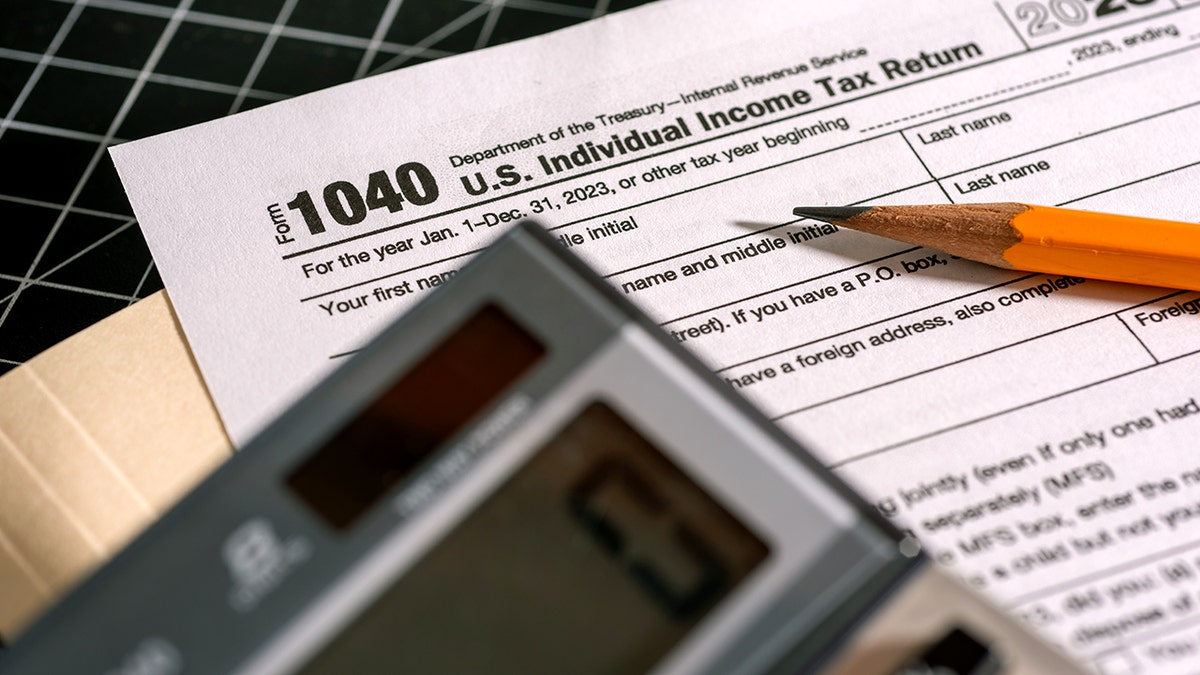
Tax fraud schemes have progressed from unemployment-related deceptions to online “tax hacks,” as the IRS alerts taxpayers to emerging risks for the 2026 filing period. (Michael Bocchieri/Getty Images)
The filing status you select is a crucial element of your tax return, influencing your tax rate, standard deduction, and eligibility for various credits. An incorrect choice could result in overpaying taxes, receiving a reduced refund, or experiencing delays if the IRS identifies the return for scrutiny.
Numerous taxpayers find themselves confused due to significant life events during the year, such as marriage, divorce, childbirth, cohabitation, supporting an elderly parent, or shared custody arrangements. Despite appearing simple, IRS regulations can be complex, particularly for those uncertain about qualifying as “head of household” or continuing to file as a “qualifying surviving spouse” following a spouse’s passing.
ARE YOU RETIRED? DISCOVER WHEN THE IRS MAY SCRUTINIZE YOUR FINANCIALS
Misclassifying as ‘head of household’ can be particularly expensive. This status generally offers a higher standard deduction and more advantageous tax brackets compared to filing as single, but it demands stringent criteria, including covering over half the household expenses and having a qualifying dependent. Claiming this status without meeting the requirements could lead to repaying tax benefits, along with fines and interest.
If you’re unsure, the IRS provides an online tool for determining your filing status, and numerous tax software solutions guide you through questions to help select the appropriate classification.
2. Overlooking available credits

A female individual organizing her tax documents. (Kurt “CyberGuy” Knutsson)
A significant and potentially costly error during tax season is neglecting to claim all eligible credits or deductions. This oversight can result in a diminished refund or an increased tax liability.
“I believe the primary error individuals commit is not thoroughly grasping or investing time to investigate all the various deductions and opportunities to secure additional funds that are accessible to them,” stated Bill Sweeney, AARP’s senior vice president of government affairs.
MID-FILING SEASON: TREASURY REPORTS AVERAGE TAX REFUND EXCEEDS $3,700
Sweeney further cautioned taxpayers against using their previous year’s return as a template for filing, citing recent modifications to the tax code introduced by the One Big Beautiful Bill Act.
“Considering the recent alterations to the tax code, this year presents an ideal opportunity to avoid assuming last year’s approach will apply. It’s crucial to re-evaluate your tax circumstances and determine if any potential savings are being missed,” he advised.
3. Failing to meet crucial deadlines

Two individuals are observed reviewing tax documentation. (iStock)
While an extension grants more time to submit your tax forms, it does not extend the payment due date. For the majority of taxpayers, the IRS payment deadline remains April 15, 2026, irrespective of whether an extension for filing is requested.
“Keep in mind that despite requesting an extension, the payment is still due by April 15,” noted Mike Faulkender, co-chair of American Prosperity at the America First Policy Institute.
HOW TRUMP’S UPCOMING FEDERAL RESERVE CHAIR NOMINEE COULD IMPACT YOUR FINANCES
Faulkender, who previously served as a Treasury official and IRS commissioner, advised taxpayers requiring additional time to nevertheless estimate their tax liability and make payment by the filing deadline to prevent incurring extra charges.
“It’s imperative to either mail a check or arrange for the payment to be withdrawn from your account by the submission deadline,” he emphasized.
Should you be unable to pay the full amount by April 15, settle as much as possible to mitigate penalties and interest accrued on your tax obligation.
4. Providing inaccurate bank account information
Should you opt for direct deposit of your refund, the IRS uses the routing and account numbers you submit. A single incorrect digit can result in processing delays.
Similarly, if you pay your tax liability via direct debit, erroneous banking information could cause a payment rejection, potentially incurring penalties and interest.
5. Submitting your return prematurely, prior to receiving all tax documents
Timeliness is critical in tax filing. Submitting your return before all essential documents, such as W-2s or 1099s, have been received can cause inaccuracies, overlooked income, or necessitate an amended return later.
Faulkender mentioned a straightforward method to verify all reported income under your name before submitting your taxes.
DOWNLOAD THE FOX NEWS APP HERE
“As IRS commissioner last year, I discovered that by creating an account on irs.gov, you gain access to all information filed under your tax identification number,” he stated.
“While W-2s and 1099 forms are typically mailed in January and February, if you’re missing or have misplaced one, instead of re-requesting it, you can view all documents filed under your taxpayer identification number by setting up an account on IRS.gov.”
Submitting your taxes past the deadline can incur additional expenses, particularly if you owe money. The objective is to await all necessary documentation, then file promptly once prepared.