The Harry Potter film franchise was once the globe’s most dominant cinematic saga. Indeed, its initial showings were extravagant, celebrity-filled occasions, drawing thousands of devotees to London to experience these historic events directly. Such grand premieres are now a rarity, and few movie franchises command such fervent dedication. While it was simple to get caught up in the excitement then, audiences might now perceive the Harry Potter movies from an altered perspective. Though often seen with fondness, they are far from flawless.
For some, rewatching the core Harry Potter films now presents difficulties. Nevertheless, the franchise consists of eight legendary motion pictures, showcasing outstanding acting and, significantly, a heritage that has advanced the British cinema landscape.
The Harry Potter Series Mourns Departed Cast Members

While a melancholic start, this point carries significant weight, particularly for individuals who cherished the Harry Potter movies during their formative years. Regrettably, numerous brilliant actors from those initial films have since departed. Even for a general cinephile, it’s heartbreaking to witness these seasoned performers deliver their captivating craft for the last time. A substantial number of these actors left an indelible mark on both the movie franchise and the wider industry, making their absence keenly felt.
The demise of Alan Rickman, portrayer of Severus Snape, was a profound tragedy; an artist who appeared to have much more to offer. Esteemed television figures such as Helen McCrory and Roger Lloyd Pack are deeply mourned. This list doesn’t even include the prominent stage actors who infused their characters with immense skill and wisdom, including Maggie Smith, Richard Harris, Robbie Coltrane, Michael Gambon, Richard Griffiths, and John Hurt. In summary, it’s genuinely painful to realize that so many British icons can no longer pursue their beloved artistry, yet revisiting these films and witnessing their performances again offers a measure of solace.
The Harry Potter Films Adapted Continuously During Production

The immensely popular and successful fantasy saga, Game of Thrones, encountered a significant hurdle as it approached its concluding seasons. A lack of established source material meant the show had outpaced the novels, creating uncertainty about how to wrap up its iconic narrative. Notoriously, Game of Thrones faltered at its conclusion, a predicament Harry Potter nearly shared. This was because when the Harry Potter films first entered production, the accompanying books were still unfinished. Indeed, upon the 2001 release of Harry Potter and the Sorcerer’s Stone, only the initial four volumes were published.
While the production team possessed some guidance for approaching those initial movies, many uncertainties persisted. Consequently, as the cinematic series progressed, it continually introduced retroactive continuity and made alterations to align with the evolving storylines of subsequent books. Characters previously deemed minor unexpectedly gained greater significance; items such as the Invisibility Cloak became central to major narrative developments, and seemingly insignificant instances acquired profound new interpretations. Re-watching the films today, one often senses that the movies had to adapt as frequently and unpredictably as Hogwarts’ shifting staircases.
The Outdated CGI Does Not Consistently Age Well

A significant appeal of Harry Potter stems from its incorporation of practical effects within its most imaginative and frightening sequences. Employing everything from remarkable props to impressive miniatures, numerous traditional methods were utilized to anchor this enchanted realm in tangible reality. Nonetheless, this methodology had its limitations. Ultimately, computer-generated imagery became a necessity.
The initial films are notably characterized by subpar CGI, especially in sequences depicting Fluffy the three-headed dog and the troll that invades the dungeons. Some instances pass largely unnoticed, with the Golden Snitch effect being particularly successful. While the series demonstrates considerable enhancements as it develops, the movies nonetheless reveal their vintage. For instance, the giants introduced in later parts of the saga don’t entirely meet viewers’ hopes. However, praise is due for the Dementors, Hippogriffs, and House Elves, demonstrating that even amidst visual challenges, the films could still excel when required.
Fantastic Beasts Damaged the Franchise’s Enduring Reputation
The Harry Potter saga, even with its imperfections, is widely regarded as one of the finest fantasy adaptations ever created. Few movie series have successfully preserved their standard of excellence throughout their entire run. Consequently, upon the announcement of the Fantastic Beasts films, audiences were curious about what would follow. It was anticipated that the enduring influence of the Harry Potter movies would shape the outcome of these prequels. The inaugural film presented compelling new characters and an ambitious concept.
Subsequently, however, the narrative quality declined. By its third installment, the Fantastic Beasts series faced outright cancellation. All these films, being canon, altered the context of the Harry Potter movies. Characters such as Nicholas Flamel and Newt himself lost some of their mystique, and Hogwarts was revisited in an utterly lackluster manner. Fantastic Beasts was intended solely to enrich the mythology of the Wizarding World, yet upon re-watching Harry Potter, it becomes evident that it inadvertently diminished it.
The Initial Two Harry Potter Movies Possess a Distinctly Different Tone

The strength of the series is its direction by various filmmakers, each contributing their individual style to the production. Nevertheless, the initial two films, Harry Potter and the Sorcerer’s Stone and Harry Potter and the Chamber of Secrets, exhibit a markedly different character compared to subsequent installments. Hogwarts undergoes considerable transformation, as do several other significant settings, the color scheme changes, and even crucial character appearances, such as Professor Flitwick’s, are modified. In fact, some minor characters, like the ghosts or Madam Hooch, fade from prominence as the saga unfolds.
The Harry Potter series establishes a unique ambiance in its opening films, characterized by a feeling of warmth and comfort. A playful charm permeates the aesthetics, attire, and numerous other aspects. However, these elements evolve significantly as the series progresses, from revamped uniforms to an updated layout of Hogwarts itself. It’s truly regrettable that the foundational two films appear somewhat isolated from the remainder of the series; while subsequent movies maintain coherence, it’s undeniable that the initial entries possess a distinct disconnect.
Certain Hogwarts Students Experienced Recasting

The Harry Potter films are made somewhat challenging to view due to their inconsistencies. However, the casting announcements for the upcoming Harry Potter TV series have highlighted a fresh concern for many. The show appears to be strategically casting significant characters much earlier, like Lavender Brown, who only gained prominence in the films once her role became crucial. For the original Harry Potter movies, it was clear that a stable ensemble of background students to fill the school was never consistently maintained.
Frequently, the supporting cast shifted, and students who were featured prominently in earlier installments often vanished entirely later. Consider Katie Bell, for example. She plays a vital role in Harry Potter and the Half-Blood Prince as the student cursed by Draco Malfoy. Yet, she receives little mention in the preceding films, and the actors rumored to portray her were not consistently employed. Her role was recast when her importance grew. Such continuity errors make it difficult to perceive this as a vibrant, immersive world.
Key Harry Potter Book Components Are Absent

With the HBO Harry Potter adaptation drawing nearer, comparisons are inevitable. It is apparent that the television series will adhere much more closely to the original books than the cinematic versions did. As enthusiasts know, many memorable scenes from the novels are omitted from the films. For instance, Hermione’s passionate initiative to liberate the House Elves is conspicuously missing. Significant characters, like Peeves the Poltergeist, are also nowhere to be found.
Certain books, including Harry Potter and the Order of the Phoenix, underwent complete restructuring to suit a film adaptation. The movies themselves are commendable, and valid justifications existed for the alterations. Nevertheless, for devoted book readers, viewing these films can be challenging, particularly with the knowledge that a more accurate adaptation is soon to arrive.
The Wizarding Franchise Became Excessively Grim by its Conclusion

Earlier, it was noted that the initial two films diverge significantly in feel from the rest of the collection. Yet, a further transformation merits consideration, one that also renders these movies challenging to view. As the narrative advances, the films grow progressively darker, both in their subject matter and visual presentation. By the concluding acts, it appears as though all vibrancy has been drained from the visuals, reflecting Warner Bros.’ pursuit of a somber and bleak aesthetic.
The enchantment and playful spirit evident in the earlier movies are mostly gone, and by the concluding film, discerning events on screen can sometimes be difficult. The Wizarding World is inherently meant to possess an element of joy and wonder, but the narrative imperative to strip away these qualities prevailed. At its best, Harry Potter and the Half-Blood Prince managed to retain some levity where appropriate, but subsequent Harry Potter films largely forgo this characteristic.

Harry Potter
- Showrunner
-
Francisca Gardiner
- Directors
-
Mark Mylod
- Writers
-
Francesca Gardiner
-

Dominic McLaughlin
Harry Potter
-
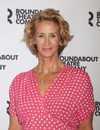
Janet McTeer
Minerva McGonagall
-
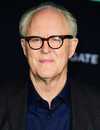
John Lithgow
Albus Dumbledore
-