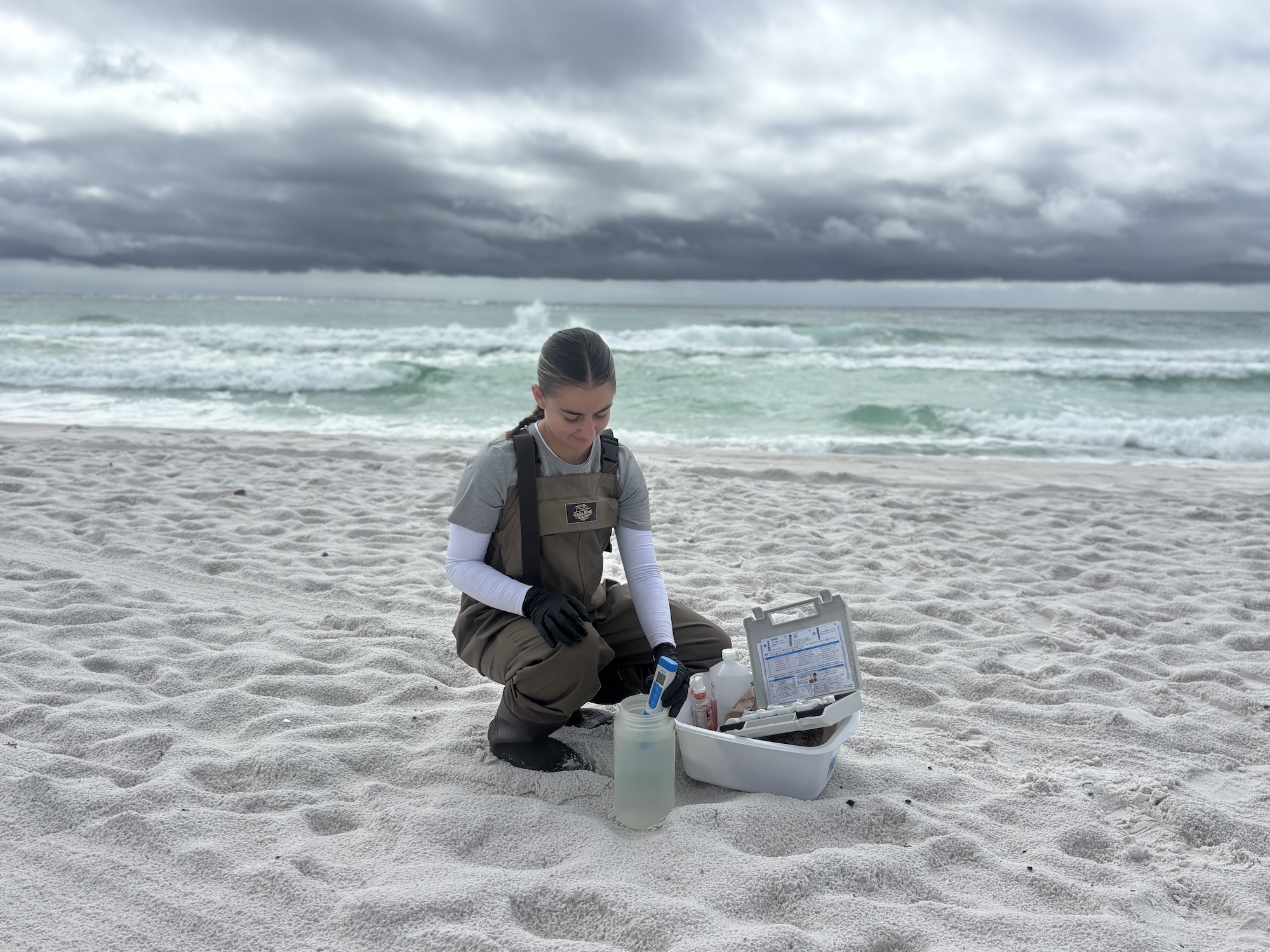
On Pensacola Beach, Bailey Magers and Sunil Kumar presented an unusual sight. Bags filled with disinfectant surrounded them on the pristine white sand; their gloved hands adeptly handled test tubes, while layers of protective rubber and plastic insulated their skin from the outdoor elements. As the pair arranged their samples of seawater along the popular Florida coastline last August, an elderly woman in a swimsuit approached them, curious about their activities.
“We’re simply performing active water quality surveillance,” they informed her, but she pressed for more details.
“Are you investigating that flesh-eating bacteria?”
“That’s part of our focus,” they responded, careful not to alarm her. The woman, seemingly content with their answer, turned back towards the ocean. As she departed, Kumar observed that her body had several minor abrasions and bruises. Moments later, he watched her wade into the waves. He shivered slightly before refocusing on his work.
Magers and Kumar are engaged in the study of Vibrio, a genus of ancient marine bacteria believed to have originated during the Paleozoic Era. At that time, vast, shallow seas covered the Earth’s immense, interconnected landmasses, fostering complex marine ecosystems that thrived in these warm, newly formed aquatic environments. Today, hundreds of millions of years later, researchers estimate over 70 Vibrio species exist. These organisms inhabit warm, brackish waters, adhering to plankton and algae and concentrating within prolific filter feeders such as clams and oysters.
A select group of Vibrio species can cause illness and, in severe cases, be fatal. In dire circumstances, individuals exposed to the most hazardous strains — either by swimming in brackish water with an open wound or consuming raw shellfish tainted with the odorless and tasteless toxin — may face a rapid progression, with one or more limbs beginning to bruise, swell, and decompose within hours. Without prompt and potent antibiotic treatment, septic shock can occur, leading to death. While anyone can become infected, the risk is considerably higher for those with liver disease, compromised immune systems, the elderly, or diabetics.
The world’s oceans, having absorbed over 90 percent of the surplus heat from greenhouse gas emissions, are becoming increasingly favorable environments for Vibrio due to climate change. Studies indicate that temperature and salinity are the primary factors influencing the prevalence of Vibrio bacteria. As water temperatures rise, so does the concentration of Vibrio in marine waters, elevating the risk of infection for both beachgoers and shellfish eaters. The bacteria become active in water above 60 degrees Fahrenheit and proliferate rapidly as coastal waters warm throughout the summer months.
In recent years, researchers have observed Vibrio extending its habitat into areas previously too cold to sustain it, migrating as far north as Maine along the U.S. East Coast and becoming more common in temperate waters globally.
Overall, vibriosis infections represent the leading cause of shellfish-associated illness in the United States. Since the Centers for Disease Control and Prevention (CDC) began tracking such illnesses in 1996, they have increased “more than any other illness caused by a pathogen in the U.S. food supply,” according to a 2019 analysis by the International Association for Food Protection. This report attributed the sharp increase to a “perfect storm” of factors, including climate change, food handling practices, increasing globalization, inconsistent regulatory oversight, and improved diagnostic methods.
Through their noticeable fieldwork in Pensacola and other Florida coastal areas, Magers and Kumar aim to pinpoint where and when harmful Vibrio species are present throughout the state. Their research contributes to an ongoing initiative at the University of Florida, which seeks to establish a Vibrio early warning system for the eastern United States. This system would inform public health departments of elevated Vibrio concentrations in specific regions up to a month in advance.
Magers ponders how many limbs could be spared if medical professionals received timely alerts about an impending rise in these frequently underdiagnosed infections.
This research serves a dual purpose: As Vibrio bacteria migrate northward into colder waters, they act as an initial indicator of shifting marine conditions, signaling to scientists that the accustomed composition of local marine species may be undergoing transformation. For instance, in Europe’s Baltic Sea, a surge in Vibrio infections in July 2014 directly coincided with a heatwave that rapidly warmed the shallow body of water.
This event demonstrated to researchers that Vibrio spikes predict unusually warm marine conditions, leading to their subsequent use as indicators for ocean heatwaves and sea-surface warming trends, beyond just food safety.
“We consider Vibrio a proxy for climate change,” stated Kyle Brumfield, a microbiologist at the University of Maryland who has dedicated a decade to studying the bacteria. “The occurrence of Vibrio and Vibrio cases can be used to assess overall water health.”
Courtesy of Natalie Larsen
The CDC estimates approximately 80,000 cases of vibriosis annually in the U.S., resulting in about 100 fatalities. The majority of these 80,000 cases are caused by *Vibrio parahaemolyticus*, which typically leads to gastroenteritis, or food poisoning. However, the overwhelming majority of deaths are attributable to *Vibrio vulnificus*—a name derived from the Latin for “wound-making.”
*Vulnificus* is so aggressive that it can penetrate a minuscule skin abrasion and cause death within 24 hours. Over the past five years, the CDC recorded 429 such *vulnificus* cases from water exposure, along with 136 foodborne cases. Despite foodborne cases being less frequent, patients who contract *vulnificus* from contaminated shellfish face a higher mortality risk than those infected through open wounds. Thirteen percent of non-foodborne cases resulted in death, compared to 32 percent of individuals infected by consuming seafood. Most incidents occur in the coastal regions of the Gulf and Atlantic.
In the realm of infectious diseases, *vulnificus* is exceedingly rare; the CDC reports between 150 and 200 cases per year. For context, chlamydia, a sexually transmitted infection and one of the most common bacterial infections in the U.S., affects over 1.5 million Americans annually. Yet, *vulnificus*’s alarming speed and high fatality rate — ranging from 15 to 50 percent, depending on the patient’s health and the infection route — establish it as a distinctive public health concern, especially as climate change expands potential exposure pathways.
*Vulnificus* is not a pathogen known for predictable behavior, yet that is precisely what it has been doing since the late 2010s. Along the Eastern Seaboard, both local and federal health authorities have been documenting “unusual surges” in *vulnificus* prevalence—sharp increases in infections that appear linked to extreme weather phenomena like hurricanes and marine heatwaves.
In 2022 and 2024, years marked by major hurricanes pushing brackish, Vibrio-friendly water inland, Florida’s public health department reported 17 and 19 deaths, respectively, associated with *vulnificus* exposure through open wounds. North Carolina, New York, and Connecticut also experienced localized outbreaks during a record-setting heatwave in the summer of 2023. “As coastal water temperatures increase,” the CDC cautioned in its analysis of these outbreaks, “*V. vulnificus* infections are projected to become more frequent.”
A 2023 research paper, which examined a 30-year dataset of confirmed *vulnificus* infections related to outdoor recreation along the U.S. Gulf and Atlantic coasts, revealed that the northern extent of infections has advanced by 30 miles annually since 1998. The study posited that “*V. vulnificus* infections may broaden their current range to encompass major population centers around New York,” and that annual case numbers could double as temperatures rise and America’s elderly demographic expands.
“In the 1980s, Vibrio populations would surge in late spring, remain high throughout summer, and then decline by mid-October,” noted Brumfield, whose Vibrio research is based in Maryland. “Now… we can detect them almost year-round.”
The level of concern warranted by the evolving behavior of Vibrio bacteria is subject to varying opinions and interpretations. The horrifying and rapid progression of *vulnificus* infections often makes them compelling material for local and national news outlets, leading to a flurry of alarming reports each time a new severe infection or fatality emerges.
“Virginia father wades in shallow water, succumbs 2 weeks later to flesh-eating bacteria that ‘devastated’ his legs,” announced a recent headline in People magazine. “Two deceased after consuming oysters, contracting flesh-eating bacteria, officials report,” stated a 2025 online article regarding two oyster-related deaths in Louisiana and Florida. Similar to many such stories, neither explicitly mentions the rarity of the bacteria.
This media coverage creates challenges for some segments of the seafood industry, which is not eager for a national discussion about the increase in vibriosis cases, particularly *vulnificus*. Shellfish farmers and industry representatives interviewed by Grist in Florida and New York contended that the media’s focus on the safety of their products is unwarranted. “‘Flesh-eating bacteria,’” remarked Leslie Sturmer, a researcher with the University of Florida’s shellfish aquaculture extension program who advises the industry on research and regulation — “the media sensationalizes it.”
Paul McCormick, an oyster farmer on Long Island who sells 750,000 oysters annually, believes any press is detrimental. “Even if your article is titled ‘New York oysters are the safest oysters on Earth,’” he explained during a phone call from his East Moriches office in January, “you’ve already created an issue.”
<div class="article-asset-mod">
<img class="article-asset " src="https://grist.org/wp-content/uploads/2026/04/IMG_3280.jpg?quality=75&strip=all" alt="" data-caption="Shellfish tags used to keep track of where and when shellfish is harvested." data-credit="Zoya Teirstein / Grist" srcset="https://grist.org/wp-content/uploads/2026/04/IMG_3280.jpg?quality=75&strip=all 1600w, https://grist.org/wp-content/uploads/2026/04/IMG_3280.jpg?resize=1200%2C675&quality=75&strip=all 1200w, https://grist.org/wp-content/uploads/2026/04/IMG_3280.jpg?resize=330%2C186&quality=75&strip=all 330w, https://grist.org/wp-content/uploads/2026/04/IMG_3280.jpg?resize=768%2C432&quality=75&strip=all 768w, https://grist.org/wp-content/uploads/2026/04/IMG_3280.jpg?resize=1536%2C864&quality=75&strip=all 1536w, https://grist.org/wp-content/uploads/2026/04/IMG_3280.jpg?resize=160%2C90&quality=75&strip=all 160w, https://grist.org/wp-content/uploads/2026/04/IMG_3280.jpg?resize=150%2C84&quality=75&strip=all 150w" sizes="auto, (max-width: 1024px) 100vw, 1024px" height="900" width="1600" loading="lazy" decoding="async"/>
</div>
<figcaption class="article-caption">
<p>
<span class="article-caption__description">Shellfish tags used to keep track of where and when shellfish is harvested.</span>
<span class="article-caption__credit"><strong/><cite>Zoya Teirstein / Grist</cite></span>
</p>
</figcaption>
</figure>
<figure class="asset-aspect-ratio">
<div class="article-asset-mod">
<img class="article-asset " src="https://grist.org/wp-content/uploads/2026/04/Vibrio-climate-5-e1776443910318.jpeg?quality=75&strip=all" alt="A sign says fresh oysters near a shack on the beach" data-caption="A sign advertises oysters for sale in Cedar Key, Florida. " data-credit="Zoya Teirstein / Grist" srcset="https://grist.org/wp-content/uploads/2026/04/Vibrio-climate-5-e1776443910318.jpeg?quality=75&strip=all 2000w, https://grist.org/wp-content/uploads/2026/04/Vibrio-climate-5-e1776443910318.jpeg?resize=1200%2C676&quality=75&strip=all 1200w, https://grist.org/wp-content/uploads/2026/04/Vibrio-climate-5-e1776443910318.jpeg?resize=330%2C186&quality=75&strip=all 330w, https://grist.org/wp-content/uploads/2026/04/Vibrio-climate-5-e1776443910318.jpeg?resize=768%2C433&quality=75&strip=all 768w, https://grist.org/wp-content/uploads/2026/04/Vibrio-climate-5-e1776443910318.jpeg?resize=1536%2C866&quality=75&strip=all 1536w, https://grist.org/wp-content/uploads/2026/04/Vibrio-climate-5-e1776443910318.jpeg?resize=160%2C90&quality=75&strip=all 160w, https://grist.org/wp-content/uploads/2026/04/Vibrio-climate-5-e1776443910318.jpeg?resize=150%2C85&quality=75&strip=all 150w" sizes="auto, (max-width: 1024px) 100vw, 1024px" height="1127" width="2000" loading="lazy" decoding="async"/>
</div>
<figcaption class="article-caption">
<p>
<span class="article-caption__description">A sign advertises oysters for sale in Cedar Key, Florida. </span>
<span class="article-caption__credit"><strong/><cite>Zoya Teirstein / Grist</cite></span>
</p>
</figcaption>
</figure>
</div>In oysters that are not refrigerated and remain in warm conditions, Vibrio bacteria replicate every 20 minutes. However, starting in 2010, states implemented stringent mandates known as “Vibrio control plans.” These plans require harvesters to rapidly cool their catch onboard and then transfer it to a refrigerated shellfish processing facility within a specified timeframe. These measures have proven effective in inhibiting Vibrio growth in harvested shellfish and preventing disease.
The dual nature of these infections—occurring either through shellfish consumption or seawater exposure—facilitates the allocation of responsibility and blame. Consumers possess greater agency in controlling their exposure to Vibrio compared to pathogens like E. coli. For example, an individual with a kidney condition can choose to forgo eating raw oysters. E. coli, frequently found in raw vegetables, is considerably harder to avoid. Similarly, someone with an open wound can opt not to swim in brackish waters if they are cognizant of the potential hazards present in the surf.
<figure>
<img src="https://grist.org/wp-content/uploads/2026/04/vibrio-explainer.jpg?quality=75&strip=all" alt="microscopic photo of the vibrio vulnificus bacteria" class="js-modal-gallery__hidden" srcset="https://grist.org/wp-content/uploads/2026/04/vibrio-explainer.jpg?quality=75&strip=all 2000w, https://grist.org/wp-content/uploads/2026/04/vibrio-explainer.jpg?resize=1200%2C675&quality=75&strip=all 1200w, https://grist.org/wp-content/uploads/2026/04/vibrio-explainer.jpg?resize=330%2C186&quality=75&strip=all 330w, https://grist.org/wp-content/uploads/2026/04/vibrio-explainer.jpg?resize=768%2C432&quality=75&strip=all 768w, https://grist.org/wp-content/uploads/2026/04/vibrio-explainer.jpg?resize=1536%2C864&quality=75&strip=all 1536w, https://grist.org/wp-content/uploads/2026/04/vibrio-explainer.jpg?resize=160%2C90&quality=75&strip=all 160w, https://grist.org/wp-content/uploads/2026/04/vibrio-explainer.jpg?resize=150%2C84&quality=75&strip=all 150w" sizes="auto, (max-width: 1024px) 100vw, 1024px" height="1125" width="2000" loading="lazy" decoding="async"/>
</figure>
<div class="in-article-recirc__body">
<div class="in-article-recirc__title">
Understand the facts about Vibrio, a bacterium found in coastal waters and raw shellfish
</div>
</div>
</div>
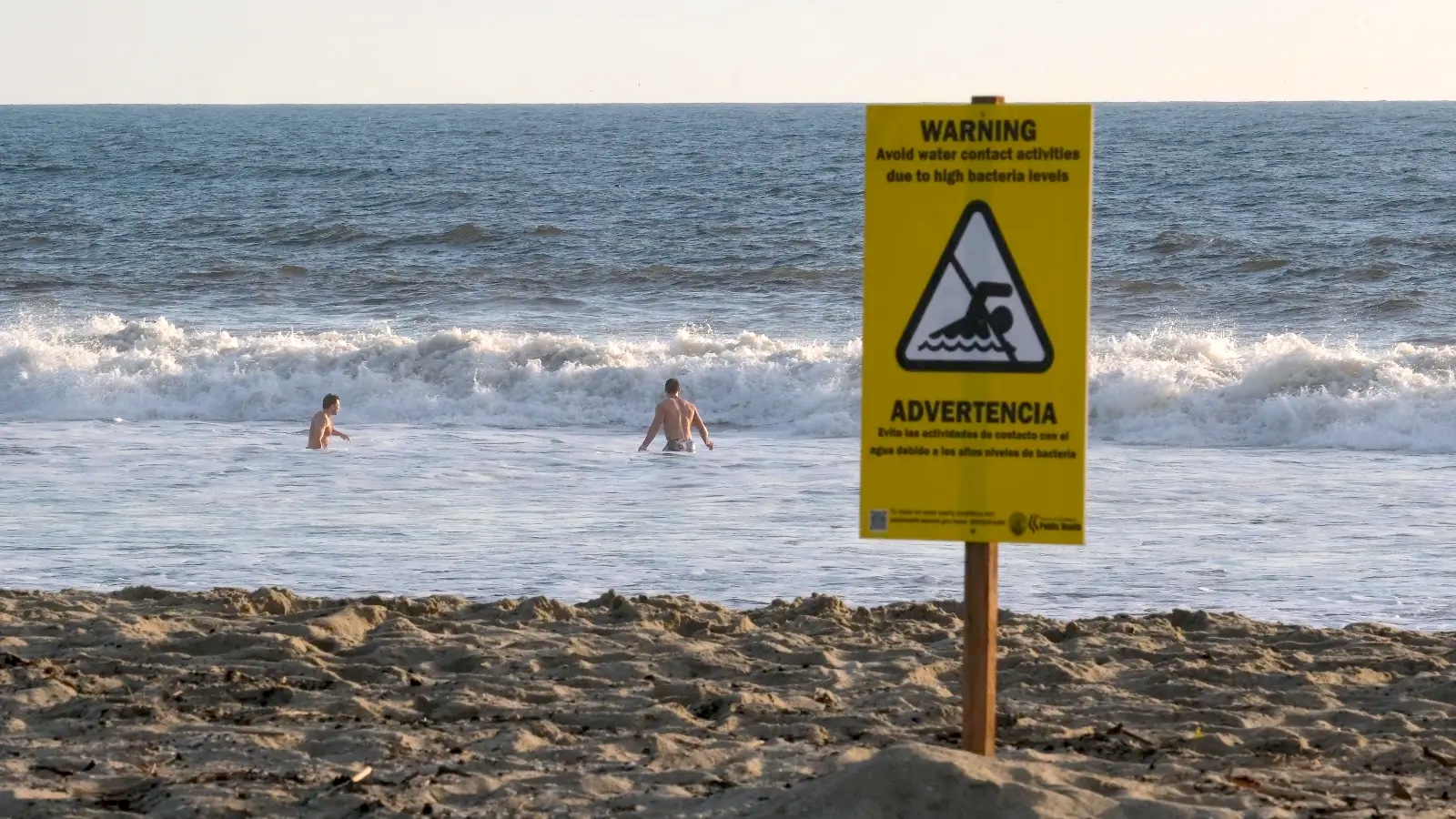
</article>According to representatives from the shellfish industry, individual accountability is the primary means of reducing caseloads. “The individual poses the risk,” Sturmer asserted. “Not the climate, not the water, not the bacteria.” This position seems implicitly shared by the government: currently, there’s no specific numerical threshold at which state public health agencies will mandate a beach closure for recreational activities, although states do issue public advisories and, very infrequently, close beaches if elevated Vibrio levels are detected in the water.
However, this viewpoint overlooks the swift oceanic changes driven by climate change, the inconsistent public awareness of vibriosis risks, and the reality that people often make choices that are detrimental to their own health and safety.
Chris Delmas / AFP / Getty Images
The shellfishing professionals interviewed by Grist fully acknowledged the scientific basis for Vibrio’s proliferation. McCormick pursued environmental science in his college studies, and Sturmer conducts her own climate-related experiments in a lab located in the fishing community of Cedar Key, Florida. There, she subjects various clam and oyster species to heat stress tests to identify those best adapted to endure the coming decades.
Marine mollusks are particularly vulnerable to rising ocean temperatures, ocean acidification, and sea level rise. These factors can result in fragile shells, diminished crop yields, and widespread farm mortalities. Therefore, a thorough grasp of climate science is essential for those whose livelihoods depend on fishing.
The issue, as Sturmer explains, is that shellfishers have been unfairly singled out for a health concern that primarily affects a small segment of consumers and is more frequently acquired through ocean bathing than by eating raw oysters. While beaches often remain open even when Vibrio bacteria are present in the water and lead to infections, a limited number of foodborne vibriosis cases can prompt state-mandated closures of shellfish harvesting grounds and product recalls. The National Centers for Coastal Ocean Science observed that these preventative measures “undermine consumer trust and likely lead to reduced sales.”
The fear generated by media reports of Vibrio infections has a similar outcome: A 2024 investigation surveyed over 350 shellfish consumers in Rhode Island—a state heavily dependent on its shellfish industry, especially during the summer tourist season—asking them to bid on raw oyster and clam dishes. After presenting study participants with an actual newspaper article about a 2015 Vibrio outbreak linked to a Massachusetts oyster farm, the researchers concluded that the news had a “significant adverse impact” on participants’ willingness to bid on oysters. It also had a negative effect on clam sales.
“You should really be sounding the alarm about botulism, salmonella, or E. coli,” Sturmer advised during a recent visit to her Cedar Key lab. “Why focus on [*vulnificus*] when the case numbers are so negligible?” Sturmer is quick to clarify that the term “flesh-eating bacteria” is, in a sense, a misnomer. She is correct: the bacteria does not “consume” tissue; it destroys it. However, it is debatable whether a survivor of necrotizing fasciitis, the medical term for the tissue damage caused by *vulnificus*, would find such a distinction meaningful.
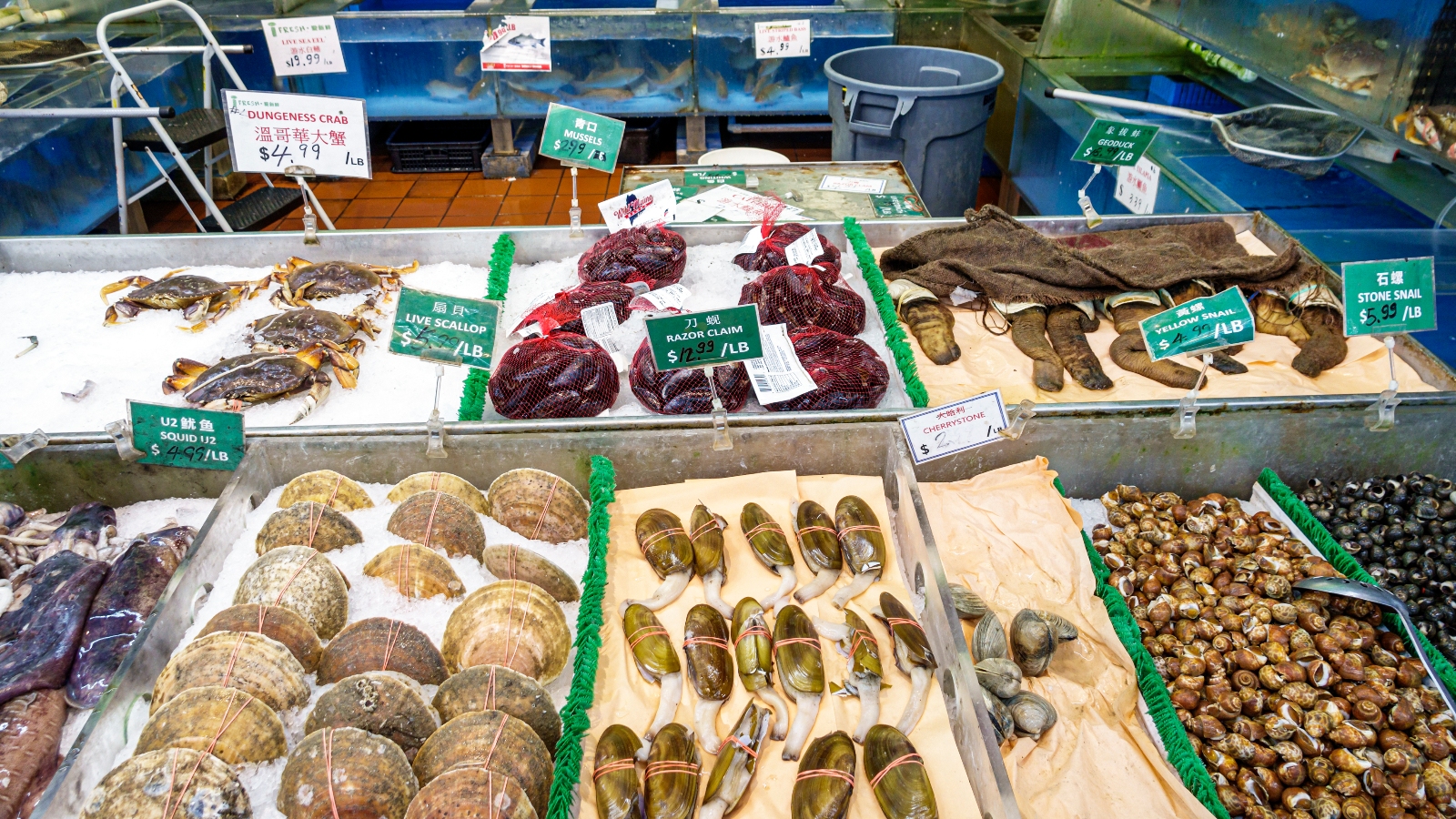
Safeguarding consumers from bacterial illness is not as straightforward as relying on individuals with underlying medical conditions to avoid shellfish. Americans consume 2.5 billion oysters annually, with half consumed raw. Vibrio infections, which frequently present as food poisoning, remain underreported and insufficiently recognized, even among those most susceptible to severe illness. *Vulnificus* infections are also underreported, though less so than other Vibrio-related infections, due to their typical requirement for hospital or emergency room care.
Jeff Greenberg / Education Images / Universal Images Group / Getty Images
“I have attended to many individuals with salmonella infections and waterborne infectious processes, but this one is likely the most severe,” stated Norman Beatty, an associate professor at the University of Florida College of Medicine and a practicing infectious disease doctor in Gainesville, who has witnessed limbs and lives lost to *vulnificus*.
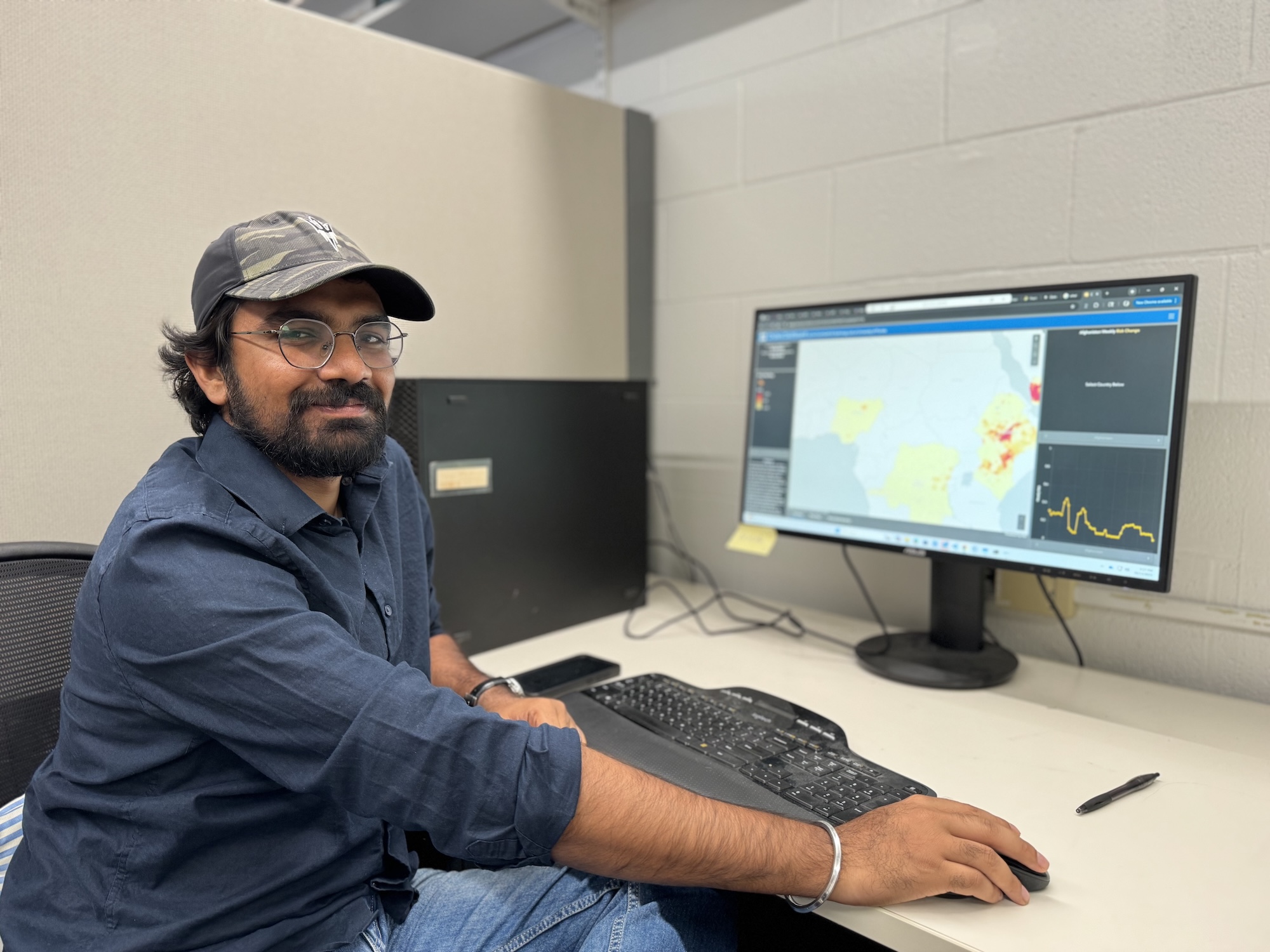
Regarding the prevention of Vibrio infections, the efforts by Magers and Kumar could potentially alleviate some of the burden of individual responsibility. The researchers are pinpointing the regions along the eastern U.S. coastline most susceptible to overall vibriosis infections, and *vulnificus* in particular, as waters warm. Collaborating with a team of microbiologists from the University of Maryland, including Brumfield, these scientists have devised a computer model capable of forecasting the vibriosis risk level in any given coastal county along the Gulf or East coasts a month in advance. The team refined their model by correlating CDC data on Vibrio-related foodborne and waterborne illnesses from 1997 to 2019 with satellite measurements of conditions conducive to Vibrio growth, such as water temperature and salinity.
Zoya Teirstein / Grist
The system is not without its limitations. During its initial training and evaluation, the model achieved only 23 percent precision in identifying high-risk counties, meaning that only about one in four counties flagged as high-risk by the program actually reported a vibriosis case in a given month. However, it demonstrated high accuracy in predicting low-risk counties, correctly identifying 99 percent of those regions. Its performance improved over time as the quality of the input data enhanced. When tested on data collected by the Florida Department of Public Health from 2020 to 2024, 72 percent of all cases occurred in counties that the tool had identified as high-risk for vibriosis.
Perhaps most notably, the model proved exceptionally skilled at forecasting high-risk counties prior to Hurricanes Helene and Milton in 2024—over 80 percent of the vibriosis cases reported in Florida following those hurricanes were located in counties the model had already designated as high-risk.
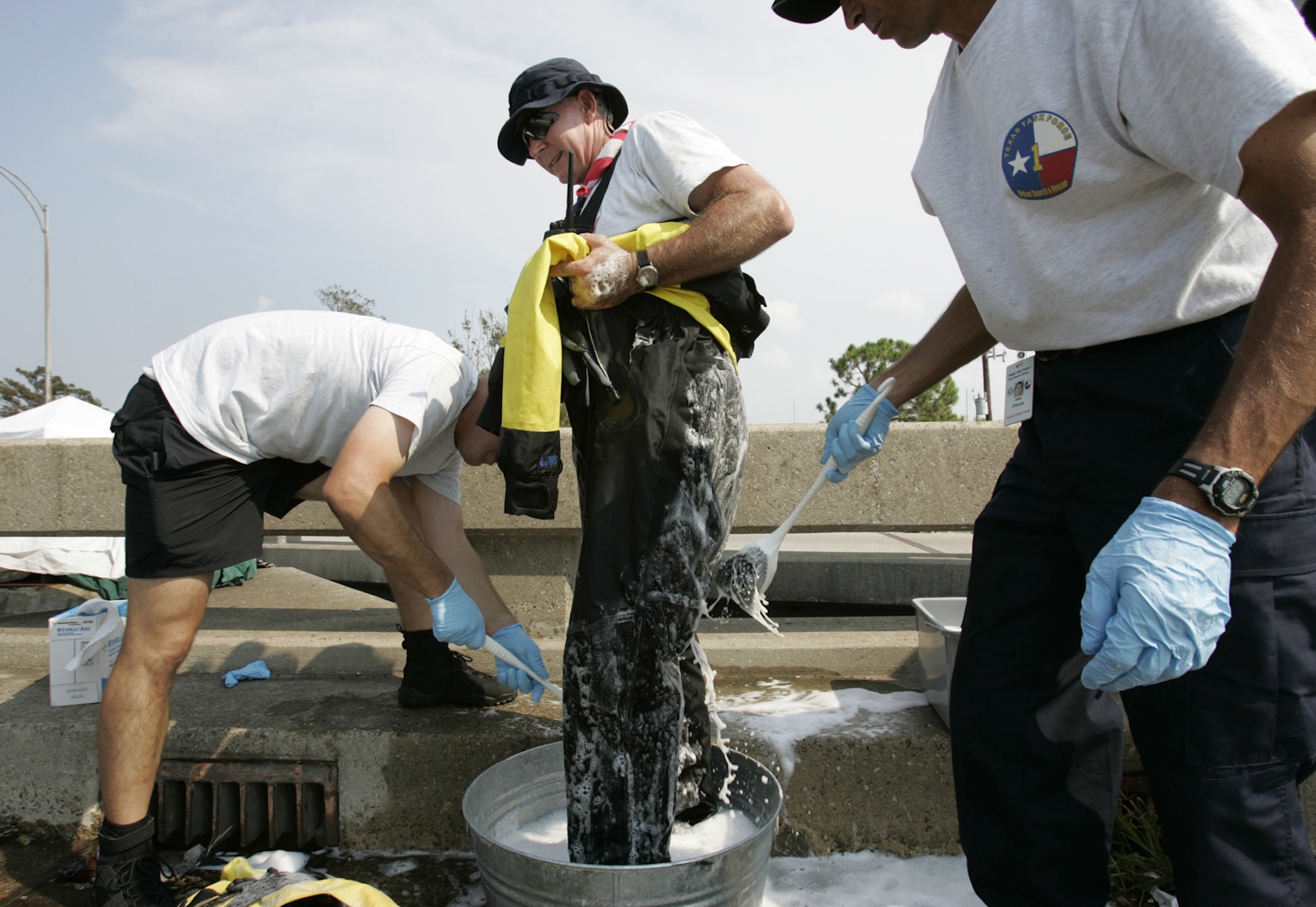
Robert Gauthier / Los Angeles Times via Getty Images
While primarily designed to forecast waterborne infections, this tool could also offer valuable insights to the shellfishing industry. However, it is not intended to supersede existing farmer protocols—which have proven effective, especially in states rigorously enforcing them. Instead, the new tool could augment these Vibrio control plans, particularly when impending weather patterns deviate from historical norms—a phenomenon that has become increasingly frequent.
Currently, states determine the maximum time harvested shellfish can remain on a boat before being refrigerated indoors by calculating a rolling five-year average illness rate. For example, in February, Florida shellfishers must ensure their oysters are refrigerated by 5 p.m. on harvest day. In July, they have no more than two hours, or they must cool their catch in ice slurries onboard. These fixed schedules, however, fail to account for abrupt temperature anomalies.
“It’s projected to be 80 degrees this week in Alabama,” Andy DePaola, an oyster farmer on the Gulf Coast, informed me in February. “Yet I’m permitted to leave my oysters out for approximately 14 hours, because the five-year rolling average is 20 degrees cooler than that unexpected temperature.” (DePaola is also a microbiologist who spent nearly 40 years studying Vibrio at the FDA and authored the 2019 report that identified the “perfect storm” for Vibrio proliferation.)
However, the shellfish industry does not appear enthusiastic about categorizing counties based on Vibrio prevalence. Vibrio researchers themselves admit they have not effectively engaged with shellfishers to determine how such a tool could best serve their needs. At an August meeting of the Delaware Bay Section of the New Jersey Shellfisheries Council last year, the director of a shellfish research laboratory proposed using Vibrio predictive models to “identify optimal harvesting days to minimize the risk of human infection.” A lengthy debate ensued, culminating in the consensus that the model was a flawed concept and could be “used against the industry.”
Not all shellfishers are firmly opposed to the work Magers and Kumar are undertaking. “If Vibrio acts as an indicator of global warming, then that’s simply an unfortunate circumstance for us,” remarked McCormick, the Long Island oysterman. Yet, he struggles to see the relevance of such research to an industry that already employs its own robust methods for controlling Vibrio. “To my mind, that exists in one sphere, and the safety of our oysters is an entirely distinct matter.”
Nevertheless, as we progress further into the 21st century, these two spheres will increasingly converge. Should countries maintain their current rates of greenhouse gas emissions, most coastal communities along the East Coast will be ecologically predisposed to vibriosis outbreaks during peak summer months by midcentury. The question will no longer be *if* vibriosis cases will rise, but rather how to effectively manage them. This is the future scenario for which Magers and Kumar are preparing.
“In 30, 40, 100 years, these models will become obsolete because the risk will be so universally high,” stated Magers, the lead author of the predictive modeling study. “At that juncture, we would likely require a different modeling approach, focusing on projecting case numbers instead of infection risk.”