Music, shared experiences, and enthusiasm fuel genuine progress
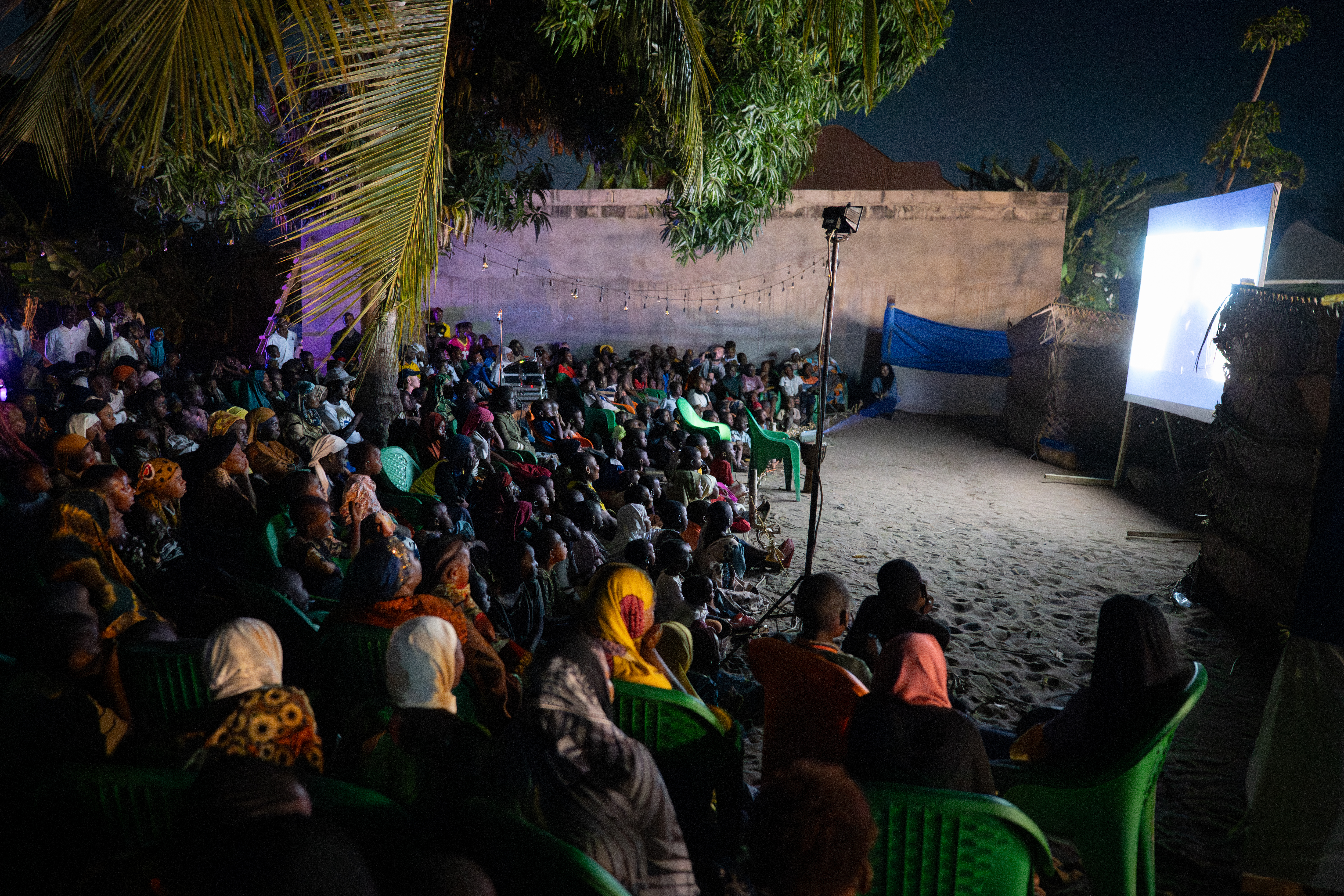
In a humble village nestled along Tanzania’s Pwani coast, a lively dance celebration concludes. For the past two hours, residents have paraded through the streets, singing and playing ngombe drums. Now, in a spacious clearing, a woman named Sheilla gestures for everyone to gather in front of a large projector screen, signaling the start of a film premiere.
This approach might seem unconventional for launching a film tackling issues like gender bias, inequality, early marriage, and other obstacles that hinder girls’ access to education in Tanzania. However, both in Pwani and wider regions, local organizations, bolstered by Malala Fund and financed by Pura, are successfully employing creative and culturally appropriate strategies, such as this one, to engage communities.
As the film concludes, Sheilla, the Communications and Partnership Lead for Media for Development and Advocacy (MEDEA), addresses the assembly once more, prompting them to reflect: What were your thoughts on the film? How did it resonate with your personal experiences? What insights can we gain?
Sheilla emphasizes that once the community views the film, “It sparks internal, reflective discussions.” This immediate connection and resulting action generate a spreading wave of positive change.
Throughout Tanzania, gender-based violence frequently pushes adolescent girls out of schools. This, alongside other impediments—such as child marriage, poverty, conflict, and discrimination—prevents girls globally from finishing their education.
Sheilla and her team are leveraging film and radio programs to confront the difficulties girls encounter in their communities. MEDEA’s ultimate aim is to uphold education as an inherent right for all, ensuring that every community member grasps how girls’ education strengthens the collective and how to champion their sisters, daughters, granddaughters, friends, nieces, and partners.
Sheilla’s narrative is among the many inspirations behind Heart on Fire, a new fragrance from the Pura x Malala Fund Collection that combines the warm, earthy spices of Tanzania with a lively, cheerful twist. This illustrates how Pura utilizes scent as a medium to unite the world and stimulate engagement.
A collaboration fostering local impact within a global mission
Pura, a fragrance company that recognizes education as both liberation and a human right, has been a partner with Malala Fund since 2022. To champion every girl’s right to attain and complete 12 years of schooling, Malala Fund collaborates with local organizations in nations where educational hurdles are most significant. They invest in community-led solutions, understanding that those closest to the challenges are best positioned to devise and implement sustainable remedies, much like MEDEA, which engages with communities to combat discrimination against girls and reshape perceptions about their schooling.
However, local initiatives can flourish and expand more effectively with worldwide backing, which is why Pura employs its unique strength, the power of scent, to connect individuals globally with the women and girls in these local communities.
The Pura x Malala Fund Collection features ingredients indigenous to Tanzania, Nigeria, Pakistan, and Brazil—countries where Malala Fund operates to tackle systemic educational barriers. Eight percent of the net revenue generated from the Pura x Malala Fund Collection will be directly contributed to Malala Fund. Beyond financial aid, the Collection also serves as a tribute to each distinct community, blending notes like lemon, jasmine, cedarwood, and clove to transport people, awaken their senses, and encourage them to draw inspiration and hope from the global movement for girls’ education. Through fragrance, individuals can connect with the bravery, joy, and determination of girls and local leaders, all while uniting in a shared commitment to education: the conviction that championing girls’ rights in one community benefits us all, everywhere.
You’ve already been introduced to Sheilla. Now, discover how Naiara and Mama Habiba are crafting distinctive solutions to ensure every girl can learn freely and aspire to greatness.
Naiara Leite is redefining possibilities in Brazil
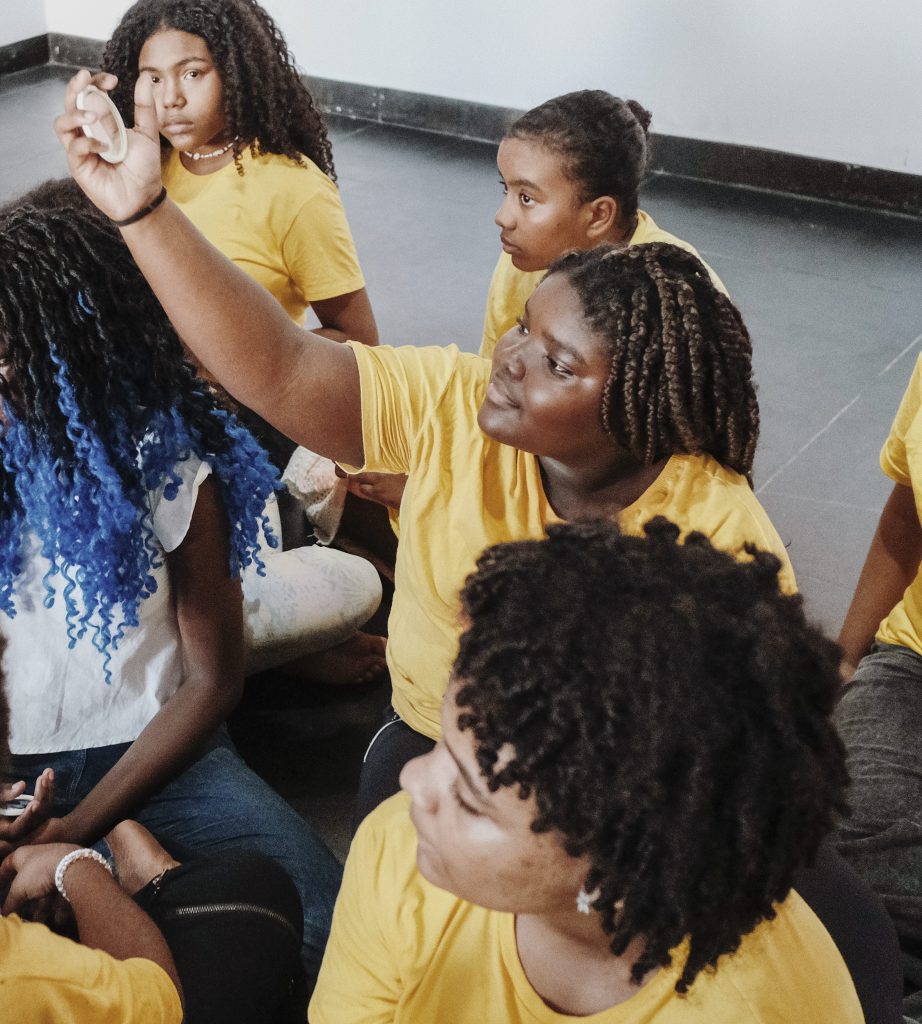
In Brazil, where the Northeastern Coast is adorned with pear trees and coconut plantations, girls like ten-year-old Julia encounter a different type of educational obstacle compared to girls in Tanzania. All too often, racial discrimination contributes to high dropout rates among Black, quilombola, and Indigenous girls across the nation.
“Within the framework of Brazilian society, Black individuals are not perceived as needing to pursue an education,” states Naiara Leite, Executive Coordinator of Odara, a women-led organization and Malala Fund partner. Bahia, the state where Odara is located, historically served as one of the largest territories for enslaved people in the Americas, and as a consequence of this past, deep-seated, anti-Black prejudice remains pervasive. “Our designated role and the perception built around us is one of manual labor,” Naiara explains.
Yet, education has the power to alter this reality. In 2020, with backing from a Malala Fund grant, Odara launched its inaugural initiative aimed at boosting school completion rates among Black, quilombola, and Indigenous girls: “Ayomidê Odara.” The young girls mentored through this program, including Julia, are affectionately known as the Ayomidês. And much like the Pura x Malala Fund Collection’s Brazil: Breath of Courage scent, the Ayomidês are spirited, determined, and full of vitality.
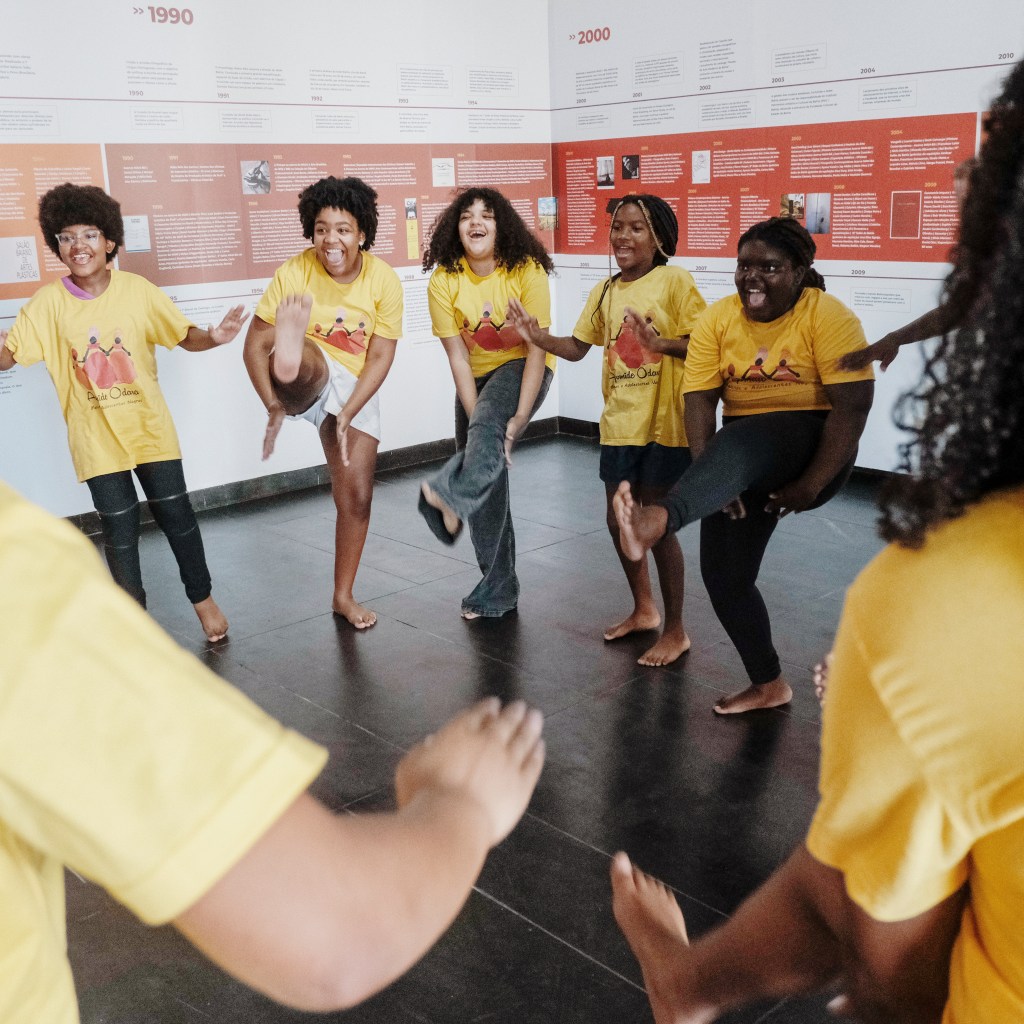
Ayomidês participate in regular educational workshops where they delve into topics such as academics and ethnic-racial relations. The girls are encouraged to cultivate their unique voices through creating Instagram live streams, social media videos, and engaging in public discussions. Already, the Ayomidês are reshaping perceptions about what Afro-Brazilian girls can achieve. One of the early Ayomidês, a young woman named Debora, is now a communications intern. Another former Ayomidê, Francine, works at UNICEF, contributing to the training of the next generation of adolescent leaders. And Julia has already set ambitious goals, aspiring to become a math teacher or a model.
“These are successive generations of Black women who were denied access to schooling,” Naiara reflects. “These are successive generations of Black women whose dreams were systematically thwarted. And we are empowering them to be the generation in their families who will author a new narrative.”
Mama Habiba is altering the narrative in Nigeria
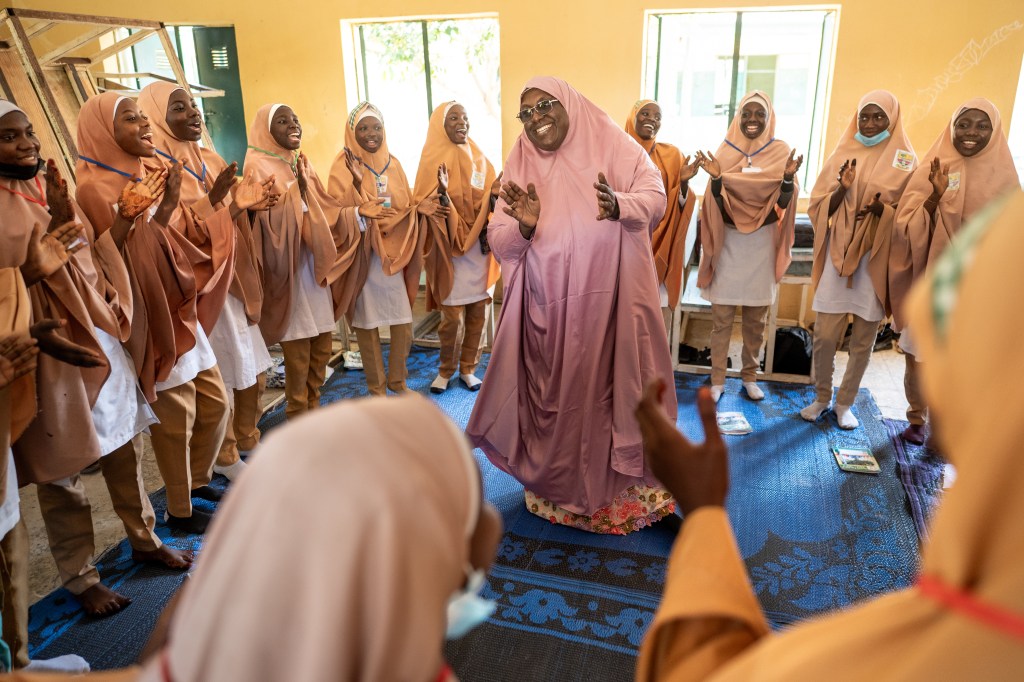
In Mama Habiba’s native Nigeria, the aromas of starfruit, ylang ylang, and pineapple—all integral to the Pura x Malala Collection’s “Nigeria: Hope for Tomorrow” fragrance—permeate the vibrant markets. Similar to these indigenous scents, Mama Habiba describes Nigerian girls as bright and full of zeal, yet too frequently they are compelled to discontinue their schooling long before their full potential can blossom.
“Some of these educational institutions are quite distant, and there’s also an issue with educational quality,” Mama Habiba points out. “Many parents discover that their daughters are not truly learning once they are in school. So why permit them to continue?”
When girls drop out of secondary school, marriage frequently becomes the alternative. In Nigeria, one out of three girls is wed before reaching the age of 18. When this occurs, girls are unable to realize their full potential, and their families and communities lose out on significant social, health, and economic advantages.
Completing secondary school postpones marriage, and according to UNESCO, educated girls mature into women who raise healthier children, elevate their families from poverty, and contribute to more peaceful, resilient communities.
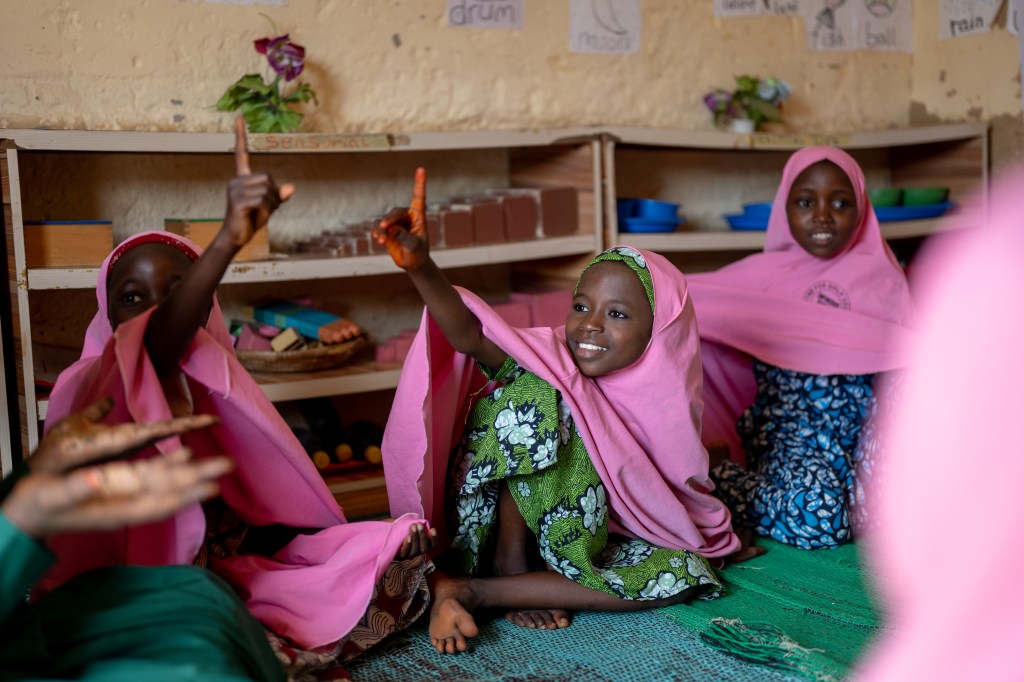
To motivate young girls to remain in school, the Centre for Girls’ Education, a Nigerian nonprofit established by Mama Habiba and supported by Malala Fund and Pura, has pioneered an initiative akin to Brazil’s Ayomidê workshops: safe spaces. Here, girls convene regularly to acquire literacy, numeracy, and knowledge on other subjects such as reproductive health. These safe spaces also offer girls the chance to engage in role-playing and learn to advocate for themselves, cultivate their self-perception, and practice discussing their values, with education being a primary one. In these secure environments, Mama Habiba notes, girls begin to comprehend “who she is, and that she is a girl of worth. She possesses the right to discuss with her parents what she genuinely feels or desires.”
“When girls are educated, they can unlock a multitude of possibilities,” Mama Habiba asserts. “It will bolster the nation’s economy. It will significantly expand opportunities for the country. If given the chance, I believe the sky is not the ultimate limit; it is merely the starting point for every girl.”
From lively parades and film screenings to secure spaces and educational initiatives, girls and local leaders are diligently striving to enhance the quality, safety, and accessibility of education while surmounting systemic obstacles. They are fostering courageous actions and serving as a powerful reminder to us all that education represents freedom.
Discover the Pura x Malala Fund Collection here, and connect with the narratives of real girls instigating change worldwide.