LONDON- British Airways (BA) has initiated the rollout of high-speed Starlink Wi-Fi, with the inaugural Boeing 787-8 featuring this technology now operational. This aircraft has already flown to destinations such as Mumbai Airport (BOM), Montreal Airport (YUL), and Cincinnati Airport (CVG).
The airline aims for a complete fleet-wide implementation over the next three years, providing complimentary high-speed internet to travelers amid increasing competition in European and North American markets.
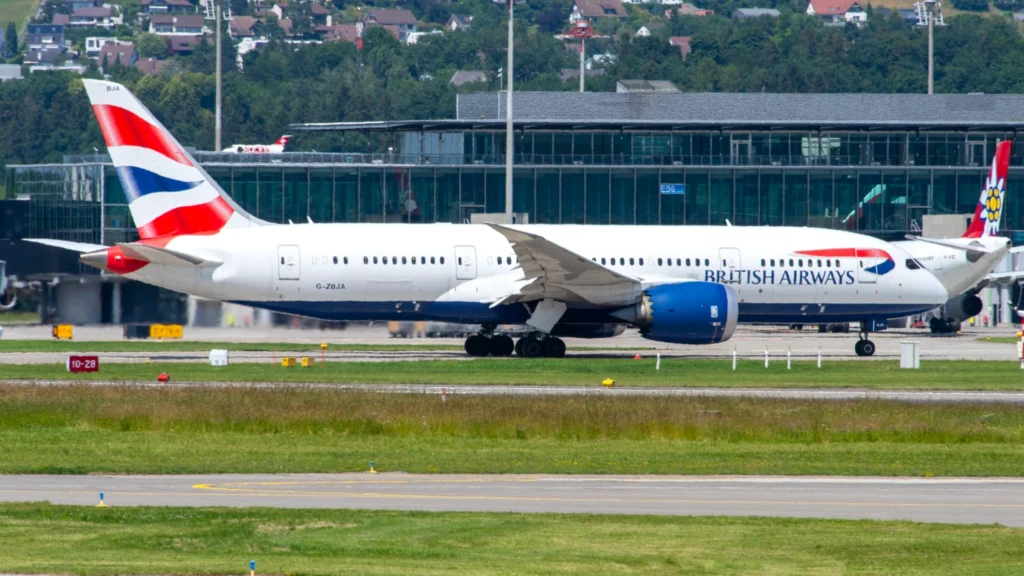
Starlink Integration on British Airways’ 787 Fleet
British Airways has announced that its initial Starlink-equipped aircraft, a Boeing 787-8 Dreamliner, commenced commercial operations following its retrofit at the Heathrow engineering facility. The installation was conducted from late February to mid-March.
Since its return to service, the aircraft has performed several long-haul journeys and is slated for further routes, including those to Houston and Mumbai. These initial deployments serve to evaluate real-world performance prior to expanding the installation program.
The airline’s primary focus will be on its Boeing 787-8 fleet, which previously did not have onboard Wi-Fi. This approach streamlines the installation and enables engineering crews to gain expertise before undertaking more intricate retrofits on aircraft already equipped with connectivity systems.
As reported by PYOK, this gradual implementation strategy aims to minimize operational interruptions and enhance efficiency throughout the wider deployment.
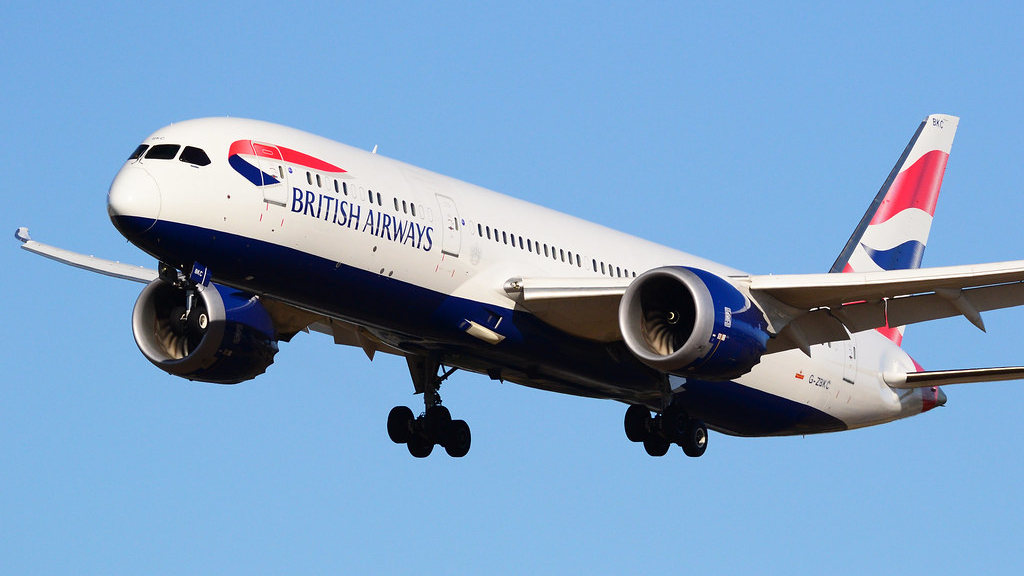
Fleet-Wide Rollout Strategy for Widebody and Narrowbody Aircraft
Following the completion of Boeing 787-8 installations, British Airways intends to extend Starlink integration to additional aircraft models. This expansion will encompass specific Boeing 787-9 Dreamliners, subsequently progressing to larger planes like the Airbus A380.
The carrier has established an approximate three-year timeframe to outfit its entire fleet, covering both long-haul widebody airplanes and short-haul Airbus A320 family aircraft.
This deployment is part of a broader arrangement under the International Airlines Group (IAG), which comprises Aer Lingus, Iberia, Vueling, and LEVEL. Although British Airways will provide Starlink without cost, the group’s low-cost airlines are anticipated to offer the service as an optional extra.
The Competitive Landscape of In-Flight Connectivity
British Airways is entering a highly competitive sector, with numerous international airlines embracing Starlink. Air France has already commenced installations on its short-haul aircraft, and both Lufthansa and SAS have opted for the service as well.
In North America, United Airlines has been implementing Starlink on its regional and narrowbody planes for more than a year, although the widebody rollout is still awaiting commencement.
The airline views Starlink as a crucial competitive advantage, particularly on European short-haul flights where rivals such as Ryanair have declined the technology. Ryanair has cited concerns regarding fuel economy and customer interest, despite these assertions being contested.
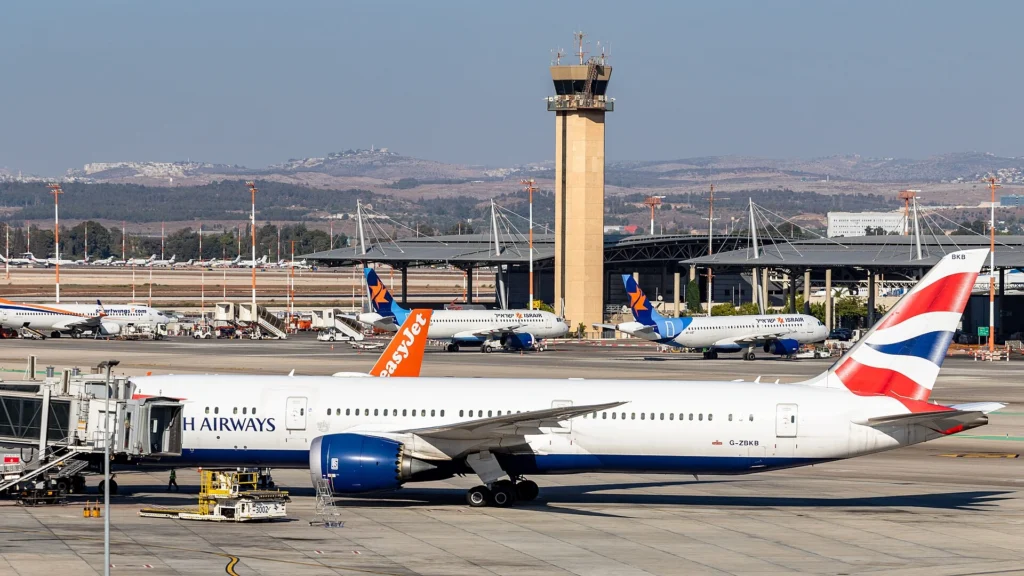
Starlink’s Expanding Influence in Aircraft Connectivity
Starlink functions via a constellation of low-earth orbit satellites, facilitating high-speed, low-latency internet access across the majority of the world. This advanced technology is progressively supplanting older systems from companies like Panasonic and Thales.
Its primary competitor, Amazon-backed Leo, remains in development. Currently, JetBlue is the only airline committed to Leo, with its activation projected for 2027.
With a growing number of airlines embracing satellite-based connectivity, Starlink is rapidly emerging as the favored option for in-flight internet services, especially for extended-range flights.
Keep up with our latest news. Additionally, follow us on social media for real-time updates.
Connect with us on Telegram Group for the newest aviation information. Afterwards, find us on Google News