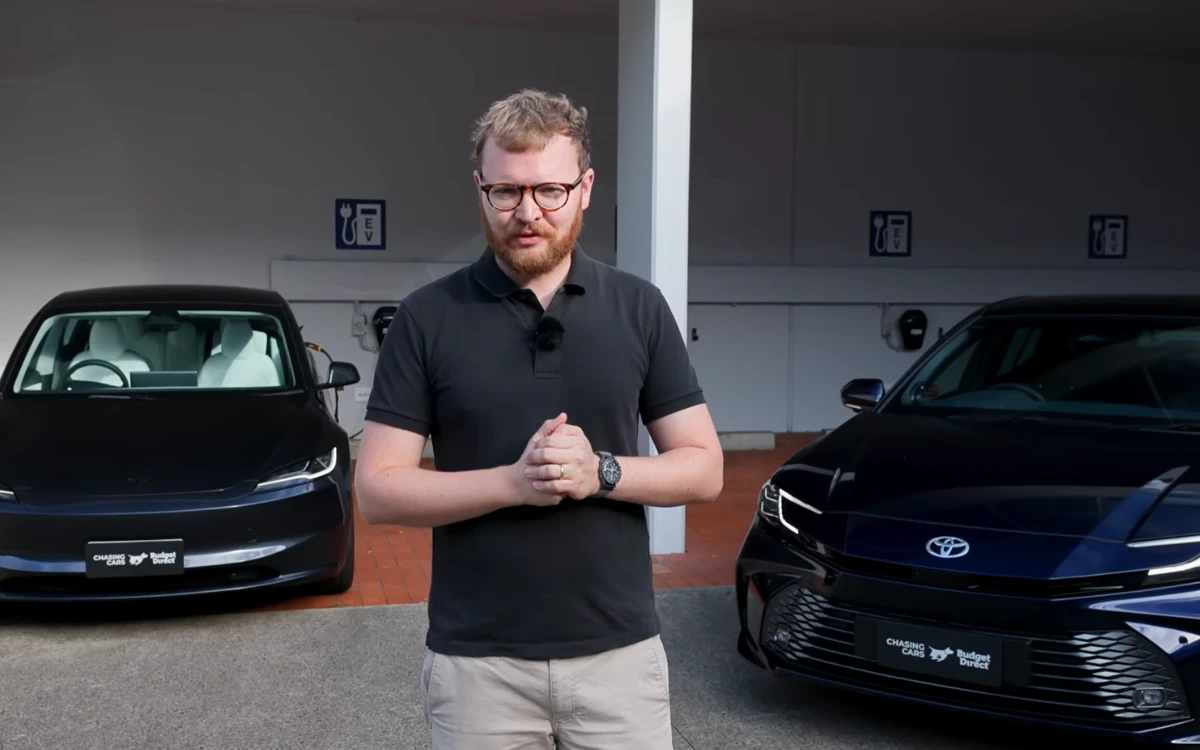
A cross-country journey pitting a Tesla Model 3 against a Toyota Camry proved unexpectedly gripping, spanning hundreds of miles.
Theoretically, the hybrid vehicle was expected to win handily, particularly on extended highway drives.
However, rapid advancements in electric vehicle technology have significantly narrowed this advantage.
A practical comparison conducted between Sydney and Melbourne vividly illustrates this reduced disparity.
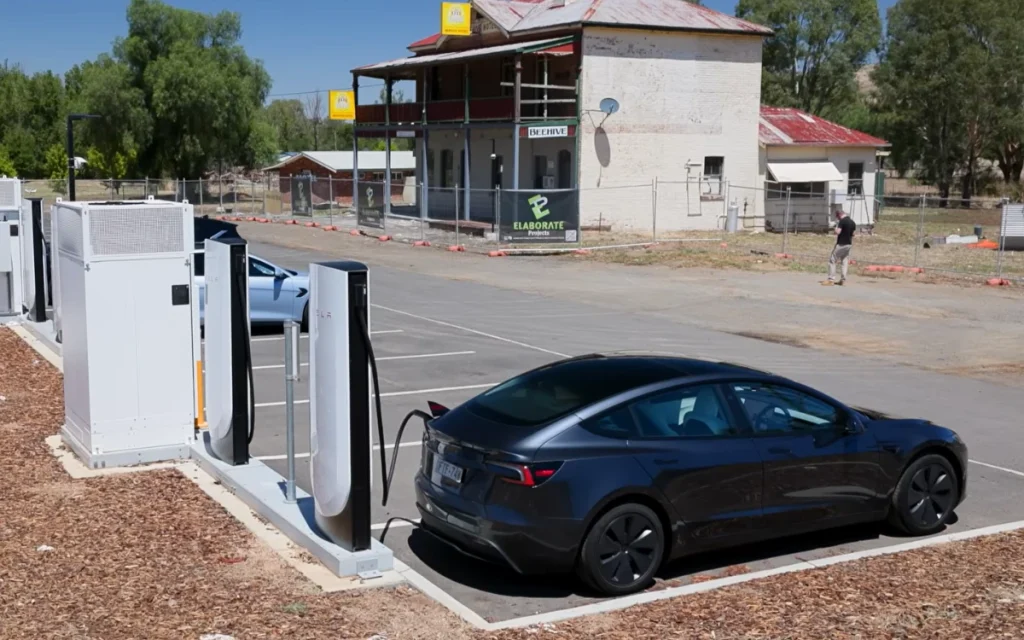
The Tesla Model 3 had to be strategic with its charging stops
The straightforward challenge, organized by Chasing Cars, involved navigating the most direct 876 km (544-mile) path, adhering to speed limits, and maintaining real-world driving conditions.
This entailed using moderate air conditioning, engaging cruise control, and making only essential stops.
While seemingly simple, the contest involved two fundamentally distinct automobiles.
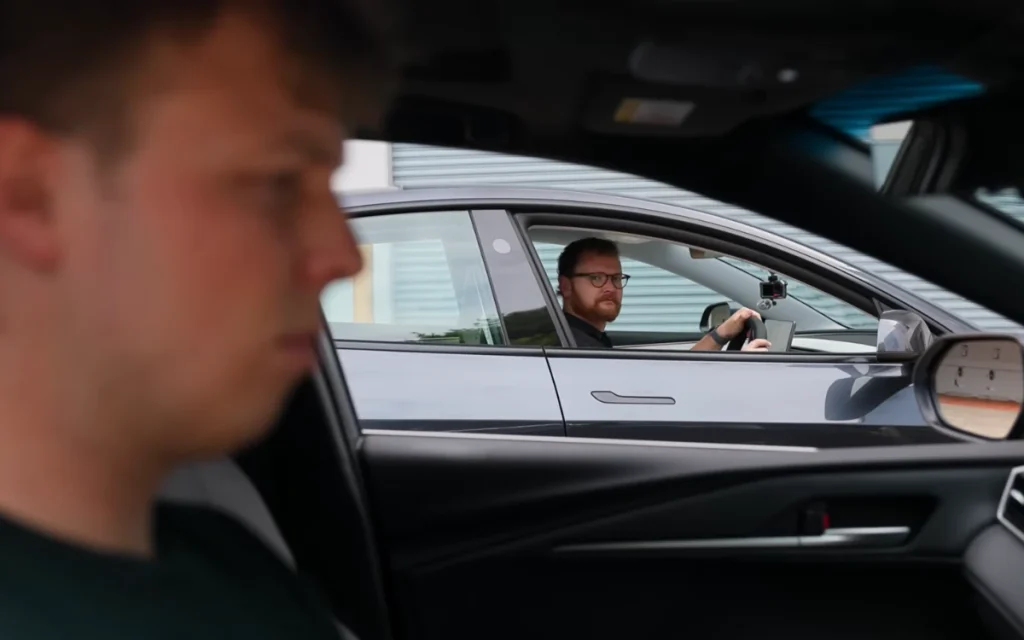
The Tesla Model 3 necessitated meticulously scheduled charging intervals, whereas the Toyota Camry sought to maximize its fuel tank’s range.
Initially, the Camry appeared to hold a decisive edge.
Its advertised range suggested it could comfortably complete the journey, resembling a vehicle one could simply refuel and drive without concern.
Conversely, the Tesla’s operator had already factored in two charging sessions, each prolonging the overall travel duration by valuable minutes.
Yet, long-distance drives seldom unfold so predictably.
As kilometers accumulated, the Camry’s actual fuel consumption started to exceed initial projections.
Consequently, the range forecasts grew less dependable, prompting its driver to reconsider the feasibility of bypassing a refueling stop.
Abruptly, the leeway for miscalculation felt considerably tighter.
The Tesla adopted an entirely distinct strategy.
Leveraging its integrated navigation system, it precisely planned charging locations and times, maintaining the battery within an ideal state for rapid recharges.
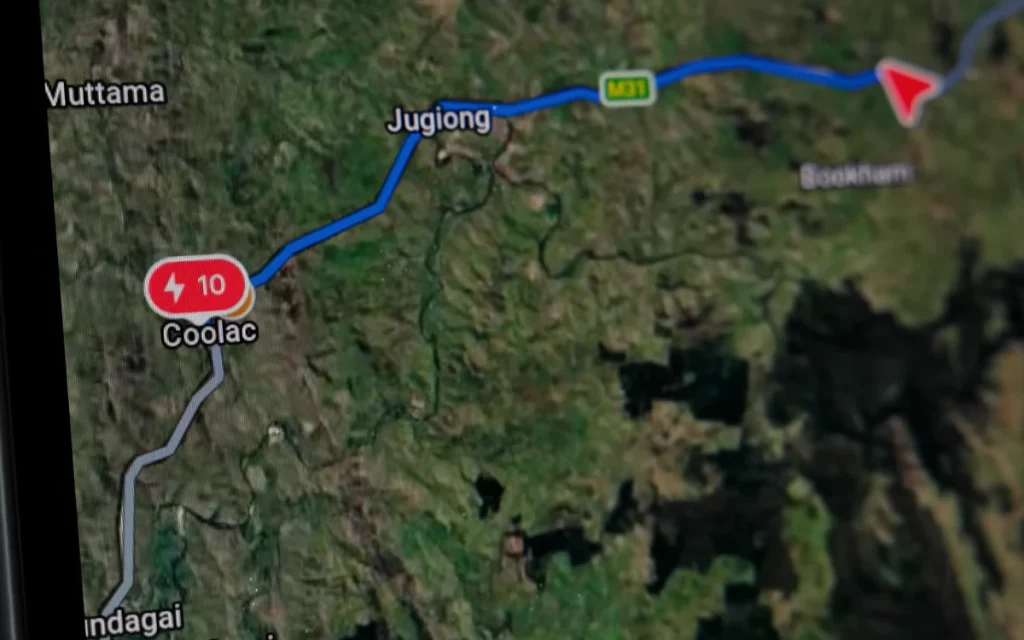
These brief pauses, lasting mere minutes, conveniently served as rest opportunities—a necessity the Camry driver had to arrange independently.
Gradually, this seemingly minor benefit gained more significance than anticipated.
At the halfway point of the expedition, the two vehicles were essentially exchanging leads.
While one car surged forward on the open road, the other would catch up during a pit stop.
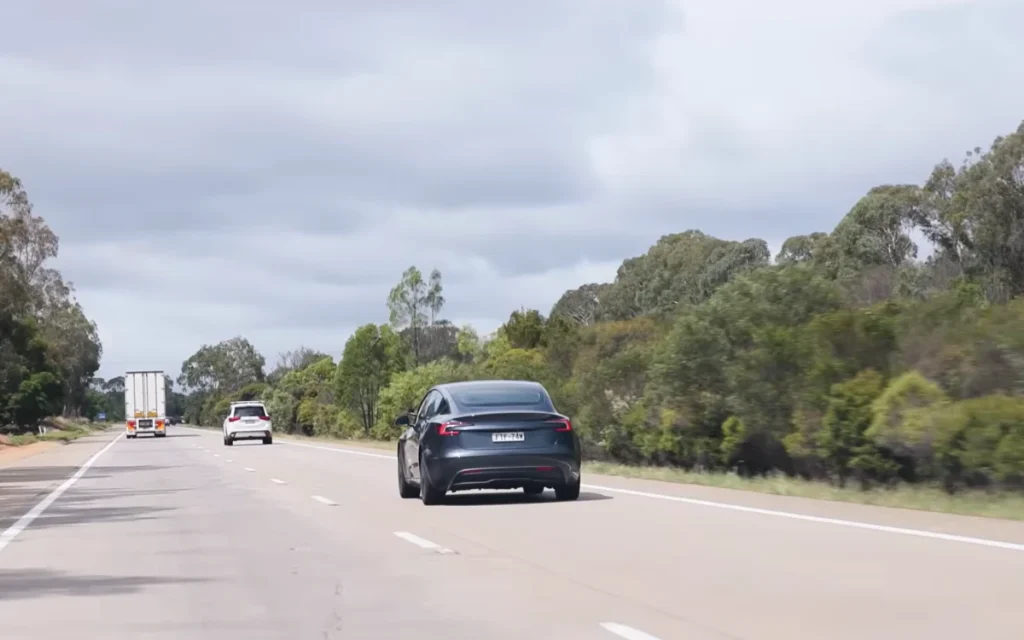
The contest evolved beyond a simple race, compelling drivers to cunningly weigh efficiency, precise timing, and even comfort breaks.
The time difference ended up being negligible
With the Melbourne finish line approaching, the intensity mounted.
The Camry’s remaining range grew increasingly precarious, ultimately necessitating an unplanned, swift refueling stop.
Though only a few minutes were lost, in such a closely contested challenge, even minor setbacks proved impactful.
Ultimately, the outcome was considerably tighter than general expectations.
The Camry indeed secured the lead, albeit by a narrow margin, finishing the journey in 9 hours and 32 minutes.
The Tesla trailed by just 9 minutes, completing its run in 9 hours and 41 minutes following its pair of charging sessions.
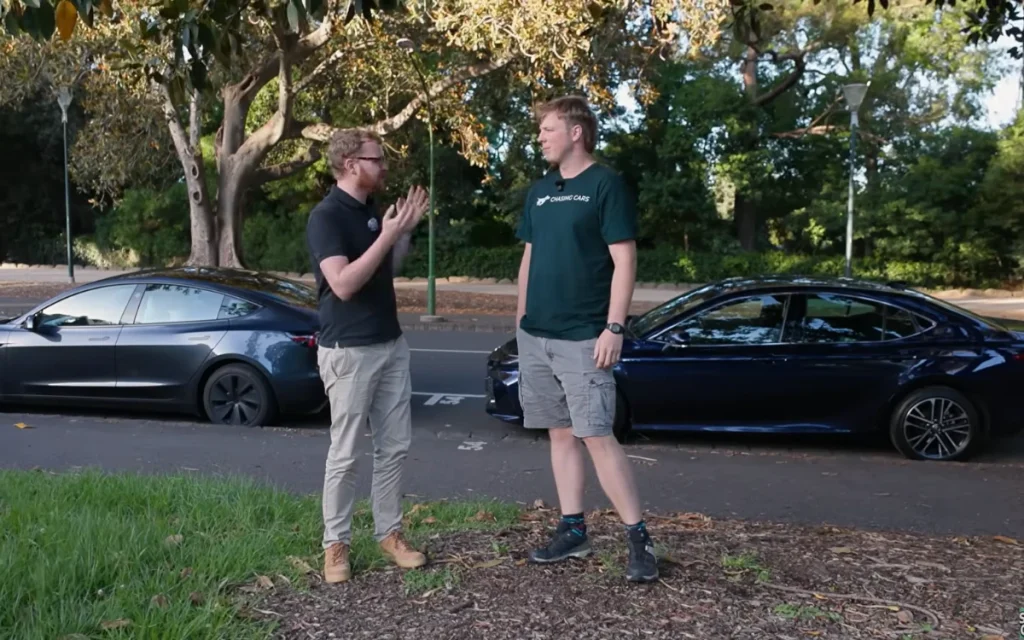
Subsequently, a comparison of expenditures comes into play.
During the evaluation period, the Tesla’s charging expenses ranged from A$65 to A$89 ($45 to $61.50) based on the charging method, whereas the Camry consumed approximately A$94 ($65) in gasoline.
Given the subsequent increase in fuel prices, this cost disparity has only intensified.
The conclusion is evident: contemporary electric vehicles such as the Model 3 have progressed to where extensive road trips no longer pose a significant drawback.
The time differential is now quantifiable in minutes, not hours, implying that long journeys are now perfectly viable for these EVs.
For a glimpse of both drivers in action, view the complete video provided below:
DISCOVER SBX CARS:
The global premium car auction platform powered by Supercar Blondie